
I remember sitting in a glass-walled boardroom in Chicago, watching a high-priced consultant scribble “Cultural Capital Amortization” across a whiteboard as if it were some mystical, revolutionary formula. The executives sat there, nodding along to the expensive jargon, while I sat in the corner, doodling a mandala just to keep my sanity. It felt like they were trying to turn the soul of their organization into a dry line item on a spreadsheet. Honestly, it makes my blood boil when people treat the collective wisdom and shared values of a team like some cold, mechanical accounting trick rather than the living, breathing heartbeat of a company.
I’m not here to feed you more corporate buzzwords or pretend that leadership is a math equation. Instead, I want to pull back the curtain and show you how to actually use Cultural Capital Amortization to build a legacy that lasts. I’ll be sharing the straight-talk, experience-based insights I’ve gathered from two decades of coaching, helping you invest in your people today so their brilliance continues to fuel your success long after the initial training ends.
Table of Contents
- Recognizing the Sociological Depreciation of Prestige
- Avoiding the Sudden Obsolescence of Social Credentials
- Five Ways to Keep Your Intellectual Currency from Losing Its Value
- Bringing It All Home: Your Roadmap to Sustaining Influence
- The Living Investment of Leadership
- Charting Your Course Forward
- Frequently Asked Questions
Recognizing the Sociological Depreciation of Prestige

When I was sitting in a boardroom last year, listening to a seasoned CEO talk about his “legacy,” I couldn’t help but doodle a particularly complex mandala in my notebook. He was so focused on his titles and accolades, but I could see the cracks forming. He didn’t realize he was experiencing the sociological depreciation of prestige. It’s a quiet, often invisible process where the very social credentials that once opened every door begin to lose their luster. Just like an old historic monument that loses its luster without constant care, your influence can fade if you rely solely on who you were rather than who you are becoming.
As you begin to navigate these shifts in your professional standing, I always tell my clients that you don’t have to figure out this new landscape alone. I’ve found that seeking out a community of like-minded women can make the transition from relying on old credentials to building new, sustainable influence so much smoother. If you’re looking for a space that fosters that kind of intentional growth, I highly recommend checking out aoladies; it’s been a wonderful way for many to find the support and shared wisdom necessary to stay ahead of the curve.
This isn’t just about ego; it’s a core concept in a Bourdieu social theory application. We often assume our status is permanent, but prestige is a depreciating asset. If you aren’t actively reinvesting in new skills and fresh perspectives, you face the obsolescence of social credentials. To stay relevant, you have to move beyond the “nameplate” power and focus on the actual substance of your mentorship. It’s about ensuring your value isn’t just a relic of the past, but a living, breathing force for the future.
Avoiding the Sudden Obsolescence of Social Credentials

I remember sitting in a boardroom with a CEO who was absolutely reeling because a brilliant, decades-long strategy had suddenly lost its teeth. He had all the right degrees and the perfect pedigree, but the market had shifted, and his influence had evaporated overnight. This is the harsh reality of the obsolescence of social credentials. We often treat our past achievements like a permanent trophy on a shelf, forgetting that in a rapidly evolving professional landscape, those accolades can lose their luster if they aren’t constantly refreshed with new, relevant expertise.
To prevent this, we have to look at our professional identity through the lens of a Bourdieu social theory application. It isn’t enough to simply “have” status; you have to actively manage it. If you aren’t intentionally updating your skill set and expanding your network, you risk a rapid symbolic capital devaluation. Think of it like the historic sites I love to visit—the ones that stay relevant for centuries are the ones that have been meticulously preserved and adapted to the modern world. Don’t let your professional legacy become a relic of the past; keep it breathing.
Five Ways to Keep Your Intellectual Currency from Losing Its Value
- Audit your “knowledge bank” regularly. Just like those ancient ruins I visited in Greece that have weathered the centuries, your expertise needs constant upkeep. Don’t let your hard-earned credentials sit on a shelf gathering dust; find ways to apply them to new, modern challenges to keep them fresh and relevant.
- Invest in “cross-training” your social skills. In my years coaching executives, I saw so many brilliant leaders struggle because they relied solely on old-school authority. To amortize your influence, learn the language of new industries or technologies. It’s about diversifying your social portfolio so one shift in the market doesn’t leave you bankrupt.
- Become a mentor to accelerate your own learning. I’ve always found that as I doodle a new mandala, I’m processing patterns. Teaching someone else is a way of “reinvesting” your capital. It forces you to simplify complex ideas, which actually deepens your own mastery and prevents your expertise from becoming stagnant.
- Build bridges, not just pedestals. Prestige can be a slippery thing—it can depreciate the moment you stop being useful to others. Instead of just collecting titles, focus on building genuine relationships. True cultural capital isn’t about how high you sit on a ladder; it’s about the strength of the network you’ve nurtured.
- Embrace the “continuous upgrade” mindset. Think of your professional identity like a historic site undergoing careful restoration. You aren’t changing the foundation, but you are adding new layers of relevance. Stay curious, stay hungry for new perspectives, and never assume that what worked ten years ago will carry the same weight tomorrow.
Bringing It All Home: Your Roadmap to Sustaining Influence
Stop relying on the “halo effect” of your past titles; instead, treat your social prestige like a garden that needs constant tending through new learning and genuine connection.
View your professional network not as a static trophy case, but as a living ecosystem that requires intentional, reciprocal investment to prevent it from becoming obsolete.
Shift your focus from merely accumulating credentials to actively practicing “cultural reinvestment”—using your current influence to mentor others and build a legacy that outlasts your own tenure.
The Living Investment of Leadership
“Think of your cultural capital not as a trophy gathering dust on a shelf, but as a garden that requires constant tending; if you aren’t intentionally reinvesting your wisdom and social connections into new growth, you’ll find that even the most prestigious credentials can lose their bloom far sooner than you expected.”
Elena McKinney
Charting Your Course Forward
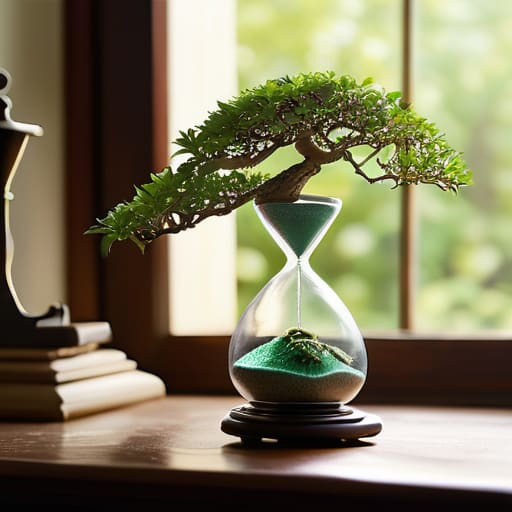
As we wrap our heads around these concepts, remember that cultural capital isn’t a static trophy you win and then put on a shelf. We’ve talked about how prestige can face sociological depreciation and how even the most impressive social credentials can face sudden obsolescence if we aren’t careful. To avoid letting your hard-earned influence fade, you must treat your expertise and your network as living assets that require constant, intentional reinvestment. It’s about moving away from a “set it and forget it” mindset and toward a strategy of continuous cultural amortization, ensuring that the value you bring to the table today remains potent and relevant for the years to come.
I often think about the ancient ruins I’ve visited during my travels; they stand as magnificent reminders that even the greatest empires required constant renewal to survive. Your professional legacy is no different. Don’t just aim to collect accolades; aim to build a foundation of wisdom and connection that evolves alongside the world around you. You have an incredible capacity for growth, and by staying curious and adaptable, you ensure that your influence doesn’t just last—it flourishes. So, take a deep breath, grab your notebook, and start planning your next move. I truly believe that your greatest chapters are still waiting to be written.
Frequently Asked Questions
How can I practically measure if my team's "cultural capital" is actually depreciating before it's too late?
I often find myself doodling a complex mandala when I’m pondering this exact question. To see if your team’s cultural capital is slipping, stop looking at spreadsheets and start listening to the “vibe.” Are your veterans becoming silent in meetings? Is your “secret sauce” no longer attracting top talent? When the unwritten rules that once fueled excellence start feeling like burdens rather than assets, that’s your signal. It’s time to reinvest.
Is there a way to reinvest in my professional reputation without it feeling like I'm just chasing the latest superficial trends?
I hear you loud and clear—it’s so easy to feel like you’re just running on a treadmill of “the next big thing.” When I was coaching executives, I saw so many brilliant leaders lose their footing trying to chase every shiny new buzzword. Instead of chasing trends, focus on “skill stacking.” Find the timeless, foundational strengths you already possess and layer on deep, substantive expertise that complements them. That’s how you build a legacy, not a facade.
For those of us in leadership, how do we balance the need for immediate results with the long-term "amortization" of our team's collective wisdom?
It’s the classic leader’s tightrope walk, isn’t it? I used to see this constantly with executives—the pressure to hit this quarter’s numbers often leads to “burning the furniture” to keep the house warm. To find balance, stop viewing wisdom as a luxury and start seeing it as your most stable asset. Instead of just demanding output, bake “knowledge transfer” into your workflows. When you prioritize teaching over just doing, you aren’t slowing down; you’re building momentum.