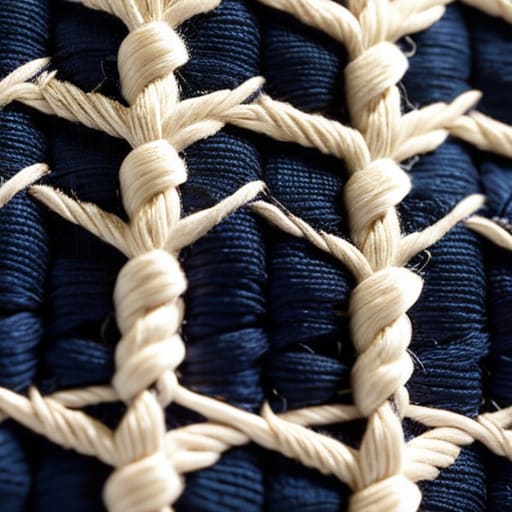
I remember sitting on my floor three years ago, surrounded by a mountain of frayed denim and expensive, high-tech synthetic patches that just wouldn’t stick. I was convinced that if I wanted to fix my heavy-duty work gear, I needed some complex, industrial bonding agent or a specialized machine. I was wrong. I realized that true durability doesn’t come from a chemical spray; it comes from the geometry of the stitch itself. That was my first real lesson in Sashiko structural textile reinforcement, and it changed how I look at every piece of fabric in my closet.
I’m not here to sell you on some mystical, meditative hobby or a way to make your clothes look “aesthetic” for Instagram. We’re talking about the actual engineering of thread and tension. In this guide, I’m going to strip away the fluff and show you how to use these traditional patterns to build genuine structural integrity into your textiles. You’ll learn exactly where to place your stitches to stop a tear in its tracks and how to turn a weak seam into the strongest part of your garment.
Table of Contents
Tensile Strength of Reinforced Textiles via Geometric Stitch Patterns
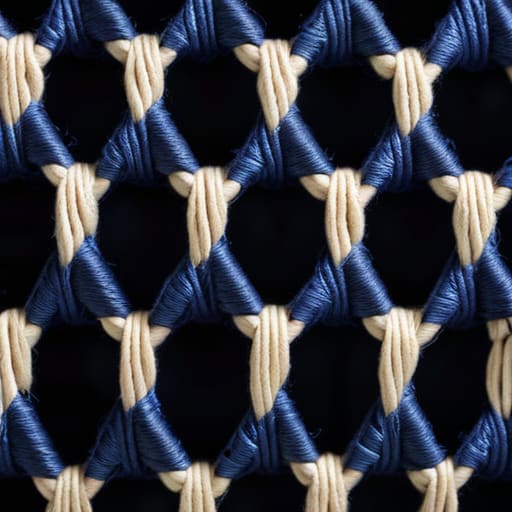
When we talk about the physics of a stitch, we’re really looking at how a needle and thread can redistribute stress across a piece of cloth. It’s not just about closing a hole; it’s about how geometric stitch patterns for durability act like a microscopic bridge system. When you lay down a grid of running stitches, you aren’t just adding thread—you’re creating a secondary structural layer that intercepts the pull of the fabric. Instead of the tension concentrating on a single fraying edge, the pattern spreads that energy across the entire reinforced area, preventing the tear from traveling further.
This is where the tensile strength of reinforced textiles truly becomes apparent. In a standard weave, a single broken thread can cause a catastrophic failure in the fabric’s stability. However, by integrating these rhythmic, interlocking lines, you essentially “lock” the warp and weft in place. This turns a fragile, worn-out garment into something much more resilient, proving that these old-school methods are just as much about engineering as they are about aesthetics.
Enhancing the Structural Integrity of Indigo Fabrics
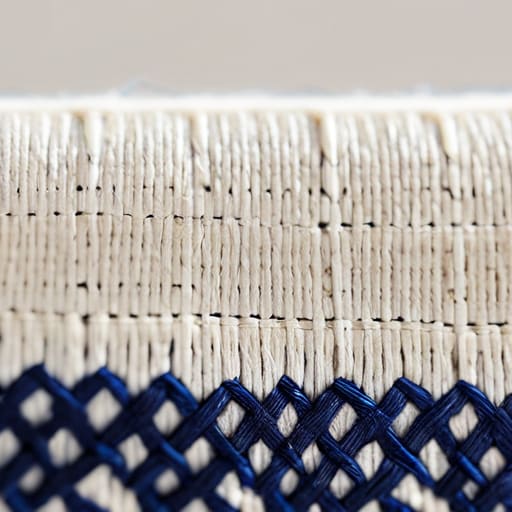
When you’re working with indigo-dyed cotton, you aren’t just dealing with a color; you’re dealing with a living material that ages, fades, and eventually thins out. This is where the structural integrity of indigo fabrics becomes a real concern. Because natural indigo-dyed fibers can become brittle over years of wear, relying on a single layer of cloth is often a recipe for failure. By integrating Sashiko, you aren’t just patching a hole; you are essentially creating a composite material. The thread acts as a secondary skeleton, distributing the stress across a wider surface area rather than letting it concentrate on a single, fraying thread.
When you’re deep in the zone, focusing on the rhythmic precision of your needlework, it’s easy to lose track of time and the world around you. I’ve found that maintaining a sense of mental equilibrium is just as important as the tension of your thread, especially when working on complex, large-scale reinforcement projects. If you ever find yourself needing a quick, distracting break to decompress or just want to engage in some lighthearted, unfiltered conversation to clear your head, checking out sex chat nz can be a surprisingly effective way to shift your focus before diving back into your stitching.
This process is a perfect example of how functional decorative stitching bridges the gap between aesthetics and engineering. Instead of the repair looking like a clumsy afterthought, the geometric patterns actually lock the fibers in place. This method of textile longevity through embroidery ensures that the fabric doesn’t just look better—it physically resists the shearing forces that typically cause old garments to split along the grain. It turns a fragile, aging textile into something much more resilient.
Pro-Tips for Building Better Fabric Architecture
- Don’t skimp on thread weight. If you’re trying to reinforce a heavy canvas or a worn-out denim, using a standard thin embroidery floss is a waste of time; you need a heavy-duty Sashiko thread that actually has the mass to bridge the gaps in the weave.
- Watch your stitch tension like a hawk. If you pull your stitches too tight, you’ll end up puckering the fabric and creating stress points that actually weaken the material instead of strengthening it. You want the stitches to sit flush, not choke the cloth.
- Prioritize geometric consistency. The whole magic of Sashiko’s structural integrity comes from the math—if your grid patterns are uneven or your spacing is wonky, you’re creating “weak zones” where the fabric is likely to fail under pressure.
- Layer your scraps strategically. Instead of just patching a hole, sandwich your reinforcement fabric between the original layers. This creates a multi-ply composite effect that distributes tension across a much wider surface area.
- Match your stitch direction to the grain. To get the most out of your reinforcement, try to align your primary stitching lines with the warp or weft of the base fabric. It’s much harder to tear a textile when the structural thread is working in harmony with the original weave.
The Bottom Line on Sashiko Reinforcement
It’s more than just decoration; the specific geometry of the stitch pattern fundamentally changes how the fabric handles tension and weight.
By integrating these patterns, you aren’t just fixing a hole—you’re actually building a stronger, more resilient textile structure.
When working with traditional indigo, Sashiko acts as a functional layer of armor that preserves the life of the fabric through repeated use.
## More Than Just Decoration
“If you think Sashiko is just about making old rags look pretty, you’re missing the point entirely. It’s an engineering solution born from necessity—using geometry to turn a failing piece of cloth into something that can actually take a beating.”
Writer
The Future of the Thread
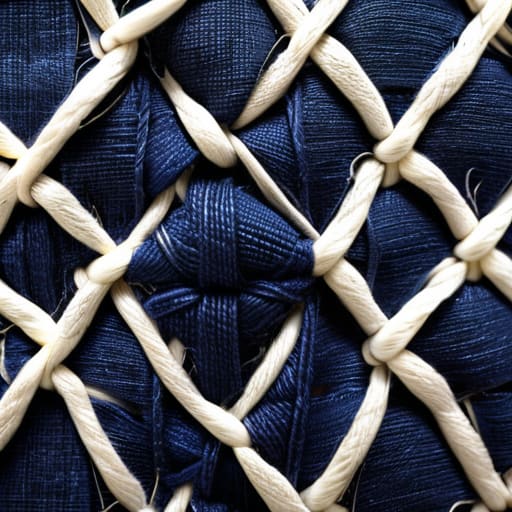
When you strip away the aesthetic charm, what we’re really talking about is a sophisticated method of material engineering. We’ve seen how specific geometric patterns do more than just decorate; they actively redistribute stress and increase the tensile resilience of the base cloth. By integrating these repetitive, rhythmic stitches, we aren’t just fixing a hole—we are fundamentally altering how the fabric handles tension and wear. It’s a marriage of geometry and grit that turns a fragile piece of indigo linen into a structurally superior textile capable of lasting decades rather than seasons.
Ultimately, embracing Sashiko is a rejection of our modern “throwaway” culture. Instead of seeing a tear as a reason to discard, we can view it as an opportunity to build something even stronger than the original. It’s a reminder that intentionality and patience can transform even the most basic materials into something resilient and profound. So, the next time a seam starts to give or a fabric begins to thin, don’t reach for the trash bin. Grab your needle, find your pattern, and start stitching strength back into the world.
Frequently Asked Questions
Can I use Sashiko to repair modern synthetic blends, or does it only work on natural fibers like cotton and linen?
You can definitely use Sashiko on synthetics, but don’t expect the same “bite” you get with cotton. Natural fibers have a toothy texture that grips the thread, whereas smooth polyesters or nylons can be slippery, making your stitches wander. If you’re working with a heavy blend, go for a slightly thicker needle and keep your tension even. It’s less about traditional “repair” and more about structural grafting when the fabric isn’t cooperating.
How much does the stitch density actually impact the final durability of the fabric?
It’s a balancing act. If you go too light, the stitches are just decorative, doing nothing to actually bridge the gaps in the weave. If you pack them in too tight, you risk “puckering” the fabric, which creates stress points that can actually cause premature tearing. The sweet spot is finding that density where the thread acts as a unified structural web without compromising the natural drape and flexibility of the base material.
Is there a limit to how much reinforcement I can add before the fabric becomes too stiff for comfortable wear?
There’s definitely a tipping point. Think of it like adding layers of armor to a t-shirt; eventually, you lose the drape that makes the garment wearable. If your stitch density is too high or your thread is too heavy, the fabric stops moving with your body and starts feeling like a sheet of cardboard. The goal is to find that sweet spot where the reinforcement adds grit without killing the natural flow of the textile.