I remember sitting in a high-rise boardroom in Chicago, the air conditioning humming a low, sterile tune while I stared at a blank notebook. I was supposed to be coaching a CEO through a massive structural shift, but instead, I felt like I was staring into a void. My pen was hovering, my mind was a desert, and the sheer pressure to be “on” made it impossible to think. We’ve all been told that the secret to productivity is some expensive morning ritual or a radical lifestyle overhaul, but let’s be honest: when you’re stuck, those platitudes feel like an insult. Learning how to find motivation during creative blocks isn’t about buying a new planner; it’s about navigating that heavy, quiet stillness without losing your mind.
In this post, I’m stripping away the fluff and the “hustle culture” nonsense to give you what actually works. I want to share the real-world strategies I’ve used over twenty years of coaching to help you bridge the gap between stagnation and flow. We aren’t going to chase miracles; we are going to build a sustainable roadmap to get your spark back.
Understanding the Psychology of Creative Flow and Stagnation
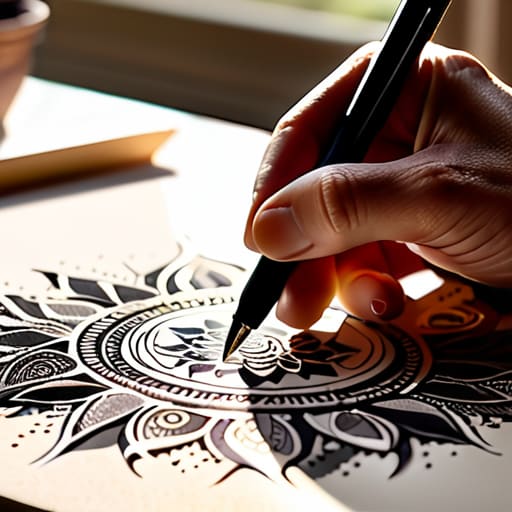
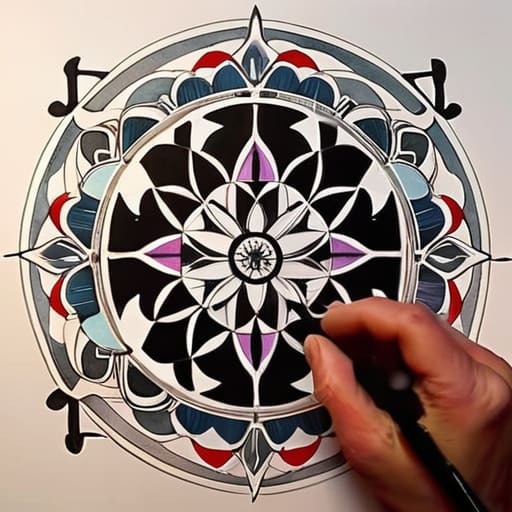
When I was working with CEOs in high-pressure environments, I noticed a recurring pattern: the most brilliant minds often hit a wall that felt less like a lack of talent and more like a biological shutdown. To truly navigate this, we have to look at the psychology of creative flow. It’s that magical, almost meditative state where time seems to dissolve, much like when I’m lost in the intricate patterns of a new mandala. But when that flow is interrupted, we don’t just lose momentum; we often lose our sense of self.
Stagnation isn’t just “being stuck”; it’s often your brain’s way of signaling that your current mental ecosystem is depleted. I’ve learned that trying to force your way through a block is often like trying to push a boulder uphill—it only leads to exhaustion. Instead of fighting the friction, we need to focus on rekindling creative passion by understanding that stillness is a necessary part of the cycle. It’s not a failure of will; it’s a signal that your internal resources need a different kind of nourishment.
Rekindling Creative Passion Through Gentle Self Compassion

I remember sitting in a high-stakes boardroom years ago, feeling that familiar, hollow ache in my chest—the kind that tells you your well has run dry. I was trying to force a breakthrough, pushing against a closed door with everything I had, only to realize I was actually making the wall thicker. When we face these seasons, our instinct is often to criticize ourselves for “slacking off,” but that inner critic is the quickest way to ensure you never find your way back. Instead of fighting the void, I’ve learned that rekindling creative passion often starts with a radical act of kindness toward yourself.
When you stop treating your brain like a machine that must always produce, you create the breathing room necessary for ideas to return. I like to think of it as a fallow season in a garden; nothing is growing on the surface, but beneath the soil, things are resetting. Sometimes, the best way to combat overcoming creative burnout isn’t to work harder, but to intentionally lower the stakes. Give yourself permission to create something truly terrible, or better yet, to create nothing at all for a while. It’s in that gentle surrender that the spark usually finds its way home.
Five Ways to Find Your Rhythm Again
- Change your scenery to shake up your perspective. Sometimes, the four walls of your office start to feel like they’re closing in, and I’ve found that even a quick walk through a local park or sitting in a bustling cafe can provide just enough new sensory input to jumpstart a stalled brain.
- Lean into “micro-wins” to rebuild your momentum. When the big project feels like an insurmountable mountain, stop looking at the summit and just look at your feet; commit to just ten minutes of low-stakes work, like sketching a rough outline or organizing your files, to prove to yourself that you can still move.
- Reconnect with your “Why” through storytelling. I often tell my clients to look back at the very first moment they felt a spark for their craft; reminding yourself of the original joy—rather than the current pressure to perform—can turn a heavy obligation back into a meaningful pursuit.
- Schedule intentional periods of “productive rest.” It sounds counterintuitive, I know, but sometimes the best thing you can do for your creativity is to step away entirely; treat your downtime like a scheduled appointment, whether that’s getting lost in a history book or simply letting your mind wander without a goal.
- Seek out “low-pressure” inspiration. Instead of staring at a blank screen waiting for lightning to strike, go consume something entirely unrelated to your field—listen to a new genre of music, visit a local museum, or even just watch the way light hits the trees—to let your subconscious do the heavy lifting.
Finding Your Way Back to the Light

As we wrap up this conversation, I want you to take a moment to breathe and realize that these quiet, stagnant seasons aren’t failures—they are actually essential parts of your growth cycle. We’ve talked about peeling back the layers of the psychology behind your block, leaning into the power of self-compassion, and understanding that rest is not the enemy of productivity. Whether you need to step away to a historic site to find fresh perspective or simply sit quietly with a blank page, remember that the goal isn’t to force the spark back into existence, but to create the space where it can naturally reignite.
I’ve spent decades watching brilliant leaders and creative souls navigate these exact same valleys, and I can tell you from the bottom of my heart: the breakthrough is coming. Just like the intricate patterns in the mandalas I doodle, your journey isn’t a straight line; it’s a series of loops, turns, and unexpected pauses that ultimately create a beautiful, cohesive whole. Don’t be too hard on yourself while you’re in the waiting room of your own creativity. Trust the process, embrace the stillness, and know that you possess an unshakeable capacity to rediscover your flow whenever you are ready.
Sometimes, when the mental fog feels particularly thick, I’ve found that the best way to break the cycle isn’t through more intense work, but by seeking out genuine human connection to ground yourself. Whether it’s a deep conversation with a mentor or exploring new social avenues like a bristol sex meet to rediscover a sense of play and intimacy, stepping outside your usual routine can act as a powerful reset button. It’s about reconnecting with your senses and reminding yourself that you are a living, breathing person, not just a productivity machine.