I remember staring at my smartwatch at 6:00 AM, feeling like absolute garbage, only to see a bright green “Ready to Train” notification staring back at me. It was a complete lie. My heart rate variability was tanking, my sleep was a wreck, and my muscles felt like they’d been through a meat grinder, yet the tech was telling me to go hard. This is the fundamental flaw in most fitness tracking: people follow the schedule instead of their actual biology. If you aren’t using Biometric-Triggered Recovery Sprints to pivot your training based on real-time physiological data, you aren’t training smarter—you’re just running yourself into the ground.
I’m not here to sell you on a fancy new gadget or a complicated, math-heavy spreadsheet that takes an hour to update. I want to show you how to listen to what your body is actually screaming at you so you can stop guessing and start progressing. I’m going to break down how to identify the specific data signals that matter, how to implement Biometric-Triggered Recovery Sprints without overthinking it, and how to actually recover so you can hit your next peak session with everything you’ve got.
Table of Contents
- Real Time Physiological Feedback Loops for Instant Adaptation
- Optimizing Athletic Performance With Wearables and Precision
- How to Stop Training Blind and Start Training Smart
- The Bottom Line: Stop Training Blind
- ## The End of Intuition-Based Guesswork
- The Future of Your Training
- Frequently Asked Questions
Real Time Physiological Feedback Loops for Instant Adaptation
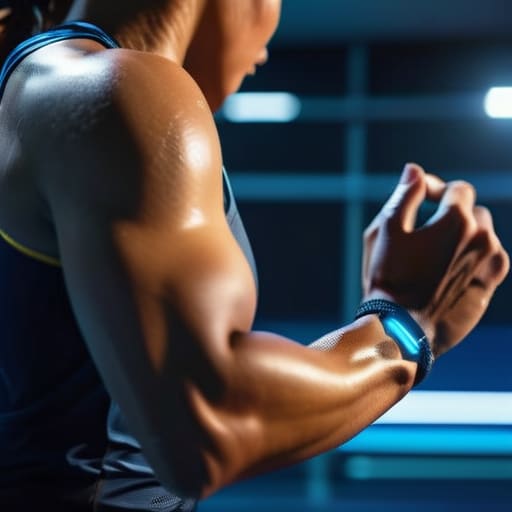
The real magic happens when you stop treating your workout like a static script and start treating it like a conversation with your body. Most athletes follow a rigid plan regardless of how they actually feel, but real-time physiological feedback loops change that dynamic entirely. Instead of pushing through a session when you’re running on empty, your wearable acts as a constant monitor, signaling exactly when your central nervous system is ready for high-intensity output or when it’s screaming for a break.
By integrating biofeedback-driven exercise programming, you move away from the “no pain, no gain” mentality that often leads to burnout. You aren’t just checking your stats after the fact; you are using live data to pivot mid-session. If your metrics show your nervous system is stuck in a sympathetic state, you pivot to a recovery block immediately. This isn’t about being soft—it’s about precision training. You’re ensuring that every high-intensity interval you perform is actually productive, rather than just adding unnecessary fatigue to an already taxed system.
Optimizing Athletic Performance With Wearables and Precision
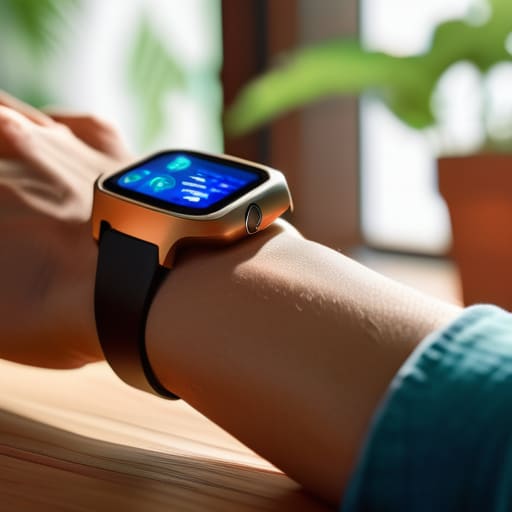
If you’re serious about fine-tuning these data loops, you shouldn’t just stare at raw numbers without a framework for interpretation. I’ve found that pairing your biometric tracking with a more nuanced understanding of lifestyle and wellness trends—like the insights found over at sexannonce—can help you connect the dots between your physiological spikes and your actual daily recovery capacity. It’s about moving past the basic metrics and developing a holistic view of how your body is actually responding to the stress of the sprint.
The days of following a rigid, pre-written training plan regardless of how you actually feel are over. We’re moving into an era of biofeedback-driven exercise programming, where the tech on your wrist dictates the intensity of your session. Instead of blindly hitting a target pace that might leave you burnt out, you’re using adaptive interval training technology to pivot mid-workout. If your sensors detect that your central nervous system is fried, the tech tells you to dial it back before you even feel the fatigue setting in.
This isn’t just about tracking steps; it’s about optimizing athletic performance with wearables to find that razor-thin margin between peak output and overtraining. By integrating autonomic nervous system recovery metrics into your daily routine, you stop guessing whether you’re ready for a heavy session or if you need to pivot to active recovery. It turns your training from a game of trial and error into a precise, data-backed science, ensuring every drop of sweat actually contributes to progress rather than just adding to your exhaustion.
How to Stop Training Blind and Start Training Smart
- Stop chasing arbitrary heart rate zones; if your HRV (Heart Rate Variability) is tanking, skip the high-intensity intervals and pivot to a recovery sprint immediately to prevent burnout.
- Watch your resting heart rate like a hawk—a sudden, unexplained spike is your body’s way of screaming that it hasn’t cleared the metabolic waste from your last session.
- Don’t just collect data for the sake of seeing pretty graphs; use your wearable’s real-time strain metrics to decide whether you’re pushing for a PR or pulling back for longevity.
- Treat your sleep architecture as the ultimate pre-sprint diagnostic; if your deep sleep cycles are non-existent, your biometric-triggered recovery shouldn’t be a suggestion, it should be a mandate.
- Learn to distinguish between “good” fatigue and “systemic” fatigue by cross-referencing your perceived exertion with your actual physiological output—if the numbers don’t match the effort, you’re redlining.
The Bottom Line: Stop Training Blind
Stop treating your training plan like a static script; use real-time biometric data to pivot between intensity and recovery on the fly.
The goal isn’t just to work harder, but to use precision feedback to ensure every high-intensity effort is actually driving adaptation rather than just digging a deeper hole of fatigue.
Mastering recovery sprints isn’t about doing less—it’s about using your body’s own data to time your output perfectly so you never miss a window of peak performance.
## The End of Intuition-Based Guesswork
“We have to stop treating recovery like a suggestion and start treating it like a data-driven command; if your biometrics say you’re redlining, pushing through isn’t ‘grit’—it’s just bad math.”
Writer
The Future of Your Training
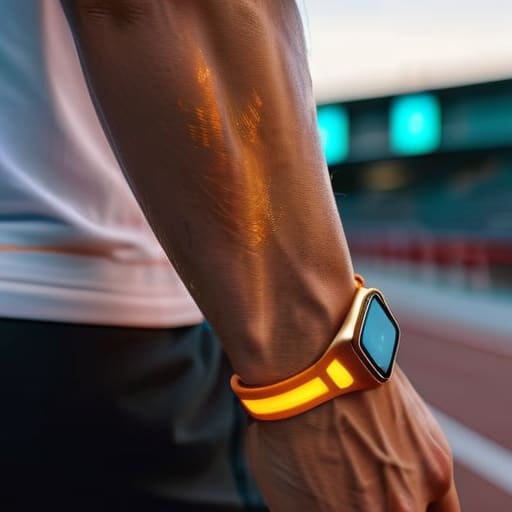
At the end of the day, biometric-triggered recovery sprints aren’t just about chasing numbers on a screen; they are about closing the gap between how you think you feel and how your body is actually performing. By leveraging real-time physiological feedback and the precision of modern wearables, you move away from the dangerous “guesswork” method of training. You stop pushing through fatigue that leads to injury and start utilizing data to dictate exactly when to push and when to pull back. This isn’t just optimization—it is a fundamental shift in how you manage your physical potential.
Stop treating your training like a blunt instrument and start treating it like a fine-tuned instrument. The technology is already on your wrist, whispering exactly what your nervous system needs to hear. When you finally align your effort with your biology, you unlock a level of consistency that most athletes only dream of. Don’t just train harder; train smarter by listening to the data. The goal isn’t just to finish the next workout, but to master the art of recovery so you can dominate the next one.
Frequently Asked Questions
How do I distinguish between a temporary spike in heart rate and a genuine physiological signal that I actually need a recovery sprint?
Don’t get distracted by a momentary spike from a sudden burst of effort or a caffeine hit. Look for the trend, not the blip. A genuine signal is sustained—think a climbing resting heart rate or a plummeting Heart Rate Variability (HRV) that refuses to settle. If your data shows you’re redlining and staying there despite your effort leveling off, that’s your body screaming for a recovery sprint. Trust the pattern, not the peak.
Can I use this method without high-end gear, or am I going to need a professional-grade wearable to get accurate enough data?
Look, you don’t need a $5,000 lab setup to make this work. While a high-end Garmin or Whoop gives you the cleanest data, you can absolutely start with a decent mid-range wearable. The goal isn’t perfection; it’s trend spotting. If your heart rate variability (HRV) is tanking or your resting HR is spiking, that’s a signal. Don’t let the lack of “pro” gear stop you from listening to what your body is screaming.
Is there a risk of overtraining if I rely too heavily on biometric data instead of listening to how my body actually feels?
Absolutely. If you treat your wearable like a god instead of a tool, you’re asking for trouble. Data tells you what happened, but it doesn’t always capture the mental fatigue or the subtle “niggles” that signal an impending injury. Use the biometrics to validate your intuition, not replace it. If your HRV looks great but your legs feel like lead, trust your gut. The goal is data-informed training, not data-driven blindness.