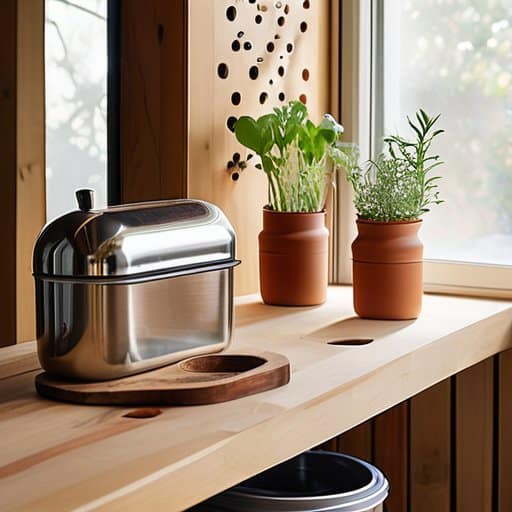
If you’ve ever heard that a circular economy lifestyle is a boutique‑only club with price tags that make your wallet weep, you’re not alone. I’ve sat in boardrooms where CEOs swore true circularity required a $10,000 retrofit, and I’ve watched glossy brochures promise a greener world for a premium that feels more like a status symbol than a habit. My own lesson came on a rainy Tuesday in a small Midwestern town, where I turned a discarded coffee tin into a makeshift herb planter—proof that circular thinking can start in a kitchen drawer, not a high‑end showroom.
In this article I’ll strip away the hype and share three experience‑based, no‑fluff steps that let you embed circular economy lifestyle habits into routines without breaking the bank. You’ll learn how to audit the hidden waste in your morning routine, repurpose office supplies you already own, and create a simple “loop‑back” system for the items you love most. By the end, you’ll have a practical roadmap that feels less like a costly overhaul and more like a series of small, satisfying wins—the kind of transformation I love guiding my clients through.
Table of Contents
- Designing Your Circular Economy Lifestyle With Purpose
- From Upcycled Furniture to Circular Fashion Trends
- Circular Fashion Trends and Sustainable Consumption Habits
- Upcycling Furniture Ideas for Resourceefficient Living
- Five Fresh Ways to Live the Circular Way
- Your Circular Economy Playbook
- Full Circle Living
- Closing the Loop on a Life‑Changing Journey
- Frequently Asked Questions
Designing Your Circular Economy Lifestyle With Purpose
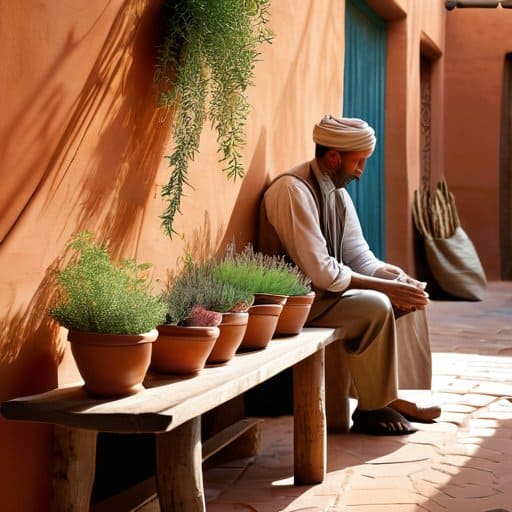
When I first set foot in a centuries‑old brick market in Marrakesh, I watched a vendor transform a cracked ceramic jug into a sleek planter for his rooftop herbs. That moment reminded me that purpose‑driven design isn’t a buzzword—it’s a daily habit. Start by mapping the life cycle of the items you love: ask yourself where each product begins, how it ends, and what creative bridge can link the two. A simple habit like swapping single‑use napkins for a cloth set not only trims waste but also invites you to explore zero waste home practices that feel less like a chore and more like a personal art project.
From there, let the idea of closed‑loop product design seep into your wardrobe. I love pulling a vintage denim jacket apart, re‑stitching the pockets, and then gifting the leftover denim to a local maker who turns it into a tote bag. Those circular fashion trends become a conversation starter at brunch and a concrete example of resource efficiency in daily life. When you treat each purchase as a potential ingredient for your next upcycling adventure, you’ll find that sustainable consumption habits aren’t just about buying less—they’re about curating a home where every object has a second act waiting to be written.
Closedloop Product Design for Everyday Elegance
When I’m hunting for fresh inspiration beyond the usual DIY blogs, I often drift into a lively community of makers who post real‑world tutorials on everything from turning coffee grounds into natural dyes to refurbishing thrift‑store finds into statement pieces; diving into the local sluts forum has become my secret shortcut to discovering those hidden gems, and I’ve watched my own kitchen cabinets transform from a cluttered mess into a showcase of circular elegance—just imagine the satisfaction of swapping a discarded wooden pallet for a bespoke coffee table that tells a story of reuse, and you’ll see why I keep returning to this treasure trove of practical, purpose‑driven ideas.
When I first stood in a sun‑warmed Florentine workshop, watching artisans sketch a sleek stainless‑steel water bottle that could be unscrewed, cleaned, and later returned for a fresh finish, I realized that closed‑loop product design isn’t just a buzzword—it’s a philosophy of elegance. By choosing items that speak to our aesthetic and promise a full circle, we turn everyday objects into quiet statements of stewardship.
In my coaching sessions I ask clients to audit the wardrobe that greets them each morning. A beautifully crafted denim jacket, for instance, can be sent back to the maker for a fresh dye, then re‑entered into your closet as if it were brand‑new. When you deliberately select pieces that whisper of a future refill, you’re not just dressing well—you’re living a design loop that honors both style and the planet. That subtle shift transforms a routine wardrobe pick‑up into a mindful moment, reminding you that everyday elegance can be regenerative, not wasteful.
Zero Waste Home Practices a Coachs Playbook
I start each week by turning my pantry into a zero‑waste kitchen hub, where bulk bins replace packaged staples and every jar gets a clear label for reuse. A quick inventory on Sunday night tells me exactly what I need for the meals ahead, so I’m never scrambling for a last‑minute grocery bag that ends up in the trash. By batch‑cooking and freezing portions in glass containers, I keep the fridge tidy and the waste count at zero.
When the family asks why we’re “re‑shopping” for laundry soap, I hand them a notebook titled circular habit loop. In it we map out the life of a product—from refill stations to repurposing the empty bottle as a planter. The moment they see a used container thriving with herbs, the waste mindset shifts, and the whole house starts treating scraps as resources rather than rubbish.
From Upcycled Furniture to Circular Fashion Trends
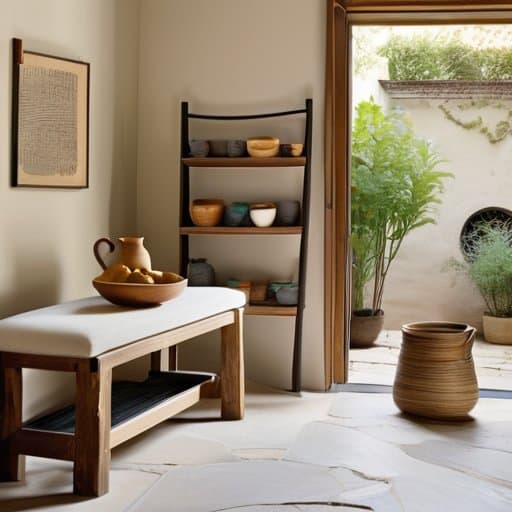
When I wandered through a sun‑dappled courtyard in a renovated Florentine palazzo, I was struck by the way the original stone beams had been repurposed into sleek shelving. That moment reminded me that upcycling furniture ideas aren’t just Instagram trends—they’re a tangible way to practice resource efficiency in daily life. By treating an old ladder as a hanging rack or turning reclaimed wood into a coffee table, you close the loop on materials that would otherwise sit in a landfill. I love guiding clients through a quick audit of their “forgotten” pieces, then sketching a simple redesign that feels like a bespoke piece of history right in their living room.
Later, on a market stroll in Osaka, I spotted a pop‑up shop where vintage denim was reborn as avant‑garde jackets—exactly the kind of circular fashion trends that make sustainable consumption feel glamorous. Instead of buying new, you can swap, repair, or upcycle garments, turning your wardrobe into a story‑telling canvas. I often challenge my coachees to adopt a “one‑in, one‑out” mantra, pairing the excitement of a fresh silhouette with the quiet confidence of a zero‑waste mindset. The result? A closet that reflects personal style while honoring the planet’s finite resources.
Circular Fashion Trends and Sustainable Consumption Habits
When I stepped off the train in Milan, the buzz of a pop‑up shop offering curated second‑hand pieces reminded me that fashion can be a revolving door rather than a landfill. I love pointing out to my clients how a rent‑the‑runway mindset turns a single outfit into dozens of runway moments, while the original garment stays in play, earning its keep through multiple wardrobes.
Back home, I translate that runway energy into everyday habits: I ask clients to audit their closet, keep only pieces that spark joy, and then treat each garment like a trusted colleague—repairing seams, swapping buttons, and documenting wear cycles. By building a conscious capsule, you reduce impulse purchases, extend product life, and create a personal style narrative that feels both elegant and responsibly circular. I often sketch a mini mandala while sorting, visualizing each loop of reuse as purpose.
Upcycling Furniture Ideas for Resourceefficient Living
When I returned from a weekend exploring a 19th‑century farmstead in Iowa, I couldn’t resist the weathered barn beams that littered the fields. I rescued a slab, sanded it on my kitchen island while sketching mandalas in the margins of my notebook, and turned it into a coffee table that now anchors my living room. The satisfaction of turning timber into a centerpiece is the kind of resource‑efficient living moment I love sharing with clients.
Another favorite is giving a tired dresser a second life as a chic hallway console. I strip‑paint the faded veneer, add brass pulls salvaged from an antique desk I spotted in a Parisian flea market, and top it with a reclaimed marble slab I sourced during a pilgrimage to a Roman villa. The result is work of art that proves a piece can embody circular elegance while reducing waste.
Five Fresh Ways to Live the Circular Way
- Start with a “one‑in, one‑out” rule—every new purchase should replace something you already own, turning your closet and cabinets into a mindful inventory.
- Turn everyday waste into a resource by setting up a home compost bin and a designated “upcycle corner” where old jars become stylish storage or planters.
- Choose products designed for disassembly; look for modular furniture or refillable toiletries so you can easily repair, refuel, or repurpose rather than discard.
- Join a local sharing economy—borrow tools, swap books, or rent rarely‑used items, which stretches the life of goods and builds community connections.
- Map your personal “circular scorecard” each month, tracking how many items you’ve repaired, repurposed, or returned to a manufacturer’s take‑back program, and celebrate each small win.
Your Circular Economy Playbook
Embrace intentional design—choose products built for reuse, repair, and easy disassembly, turning everyday items into lasting resources.
Start small, celebrate wins—swap single‑use habits for refillable, zero‑waste alternatives and let each success fuel your momentum.
Share the journey—invite friends, family, or coworkers to co‑create upcycled projects, turning sustainability into a collaborative, joy‑filled experience.
Full Circle Living
“When you turn everyday choices into a closed loop—like swapping a single‑use cup for a favorite reusable—you’re not just reducing waste; you’re sketching a mandala of purpose that maps the path from personal habit to planetary health.”
Elena McKinney
Closing the Loop on a Life‑Changing Journey
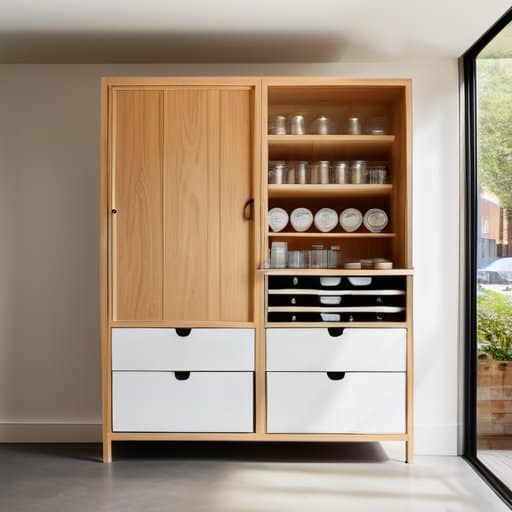
In this journey, we’ve walked through the practical steps that turn the abstract idea of a circular economy into lived experience. Starting with purposeful design, we learned how to audit our habits, set intentional goals, and map out a personal circular roadmap. We then shifted to the heart of the home—zero‑waste routines that replace disposable habits with reusable solutions, from pantry storage to refillable cleaners. The concept of closed‑loop product design showed how everyday items can be selected for durability, repairability, and eventual return to the material stream. Finally, we explored the creative thrill of upcycling a dated sideboard into a statement piece and curating a wardrobe that embraces circular fashion trends, proving that sustainability can be stylish and satisfying.
Now picture yourself standing at the crossroads of consumption and regeneration, holding the power to rewrite the story of every product you touch. By choosing a circular path, you become a steward of resources, a designer of your own legacy, and a catalyst for a community that values lasting value over fleeting convenience. I invite you to pick one small habit—perhaps a refillable water bottle or a weekend upcycling project—and watch how that single decision ripples outward, inviting friends, family, and colleagues to join the loop. Together, let’s turn everyday into a celebration of renewal, and let the circle you create become the most rewarding part of your life.
Frequently Asked Questions
How can I start integrating circular economy principles into my daily routines without feeling overwhelmed?
Start small, celebrate each win. First, pick one habit—like swapping single‑use coffee cups for a reusable travel mug. Next, set a weekly “circular moment”: audit a trash bin, spot a product you can repair or refill, and note the change. Keep a checklist (reduce, reuse, repair, recycle) and reward yourself when you hit a milestone. By treating each step as an experiment, you’ll build momentum without feeling overwhelmed. Remember, even a single repurposed jar feels like a victory.
What are the most effective ways to assess whether the products I buy truly follow closed‑loop or upcycled design?
Here’s a quick checklist I share with clients to spot truly closed‑loop or up‑cycled pieces: 1️⃣ Look for credible certifications (Cradle‑to‑Cradle, Global Recycled Standard) that verify material cycles. 2️⃣ Ask the brand for a material‑origin story—does the item come from post‑consumer waste? 3️⃣ Check for design for disassembly or modular parts that ease future recycling. 4️⃣ Prioritize durability and timeless style, which signal a longer‑use, circular product. 5️⃣ Confirm the company offers a take‑back or repair program.
How can I involve my family or community in adopting a circular lifestyle that feels rewarding rather than restrictive?
Invite your family and neighbors to a ‘circular kickoff’ night: share a favorite dish, then swap items you no longer need—think books, toys, or garden tools. Turn the swap into a game, awarding points for the most creative reuse. Set an ‘up‑cycle hour’ where everyone tackles a DIY project together, documenting the process with photos or doodles. Celebrate each success with a ‘Zero‑Waste Toast,’ so the journey feels like a shared adventure rather than a chore.