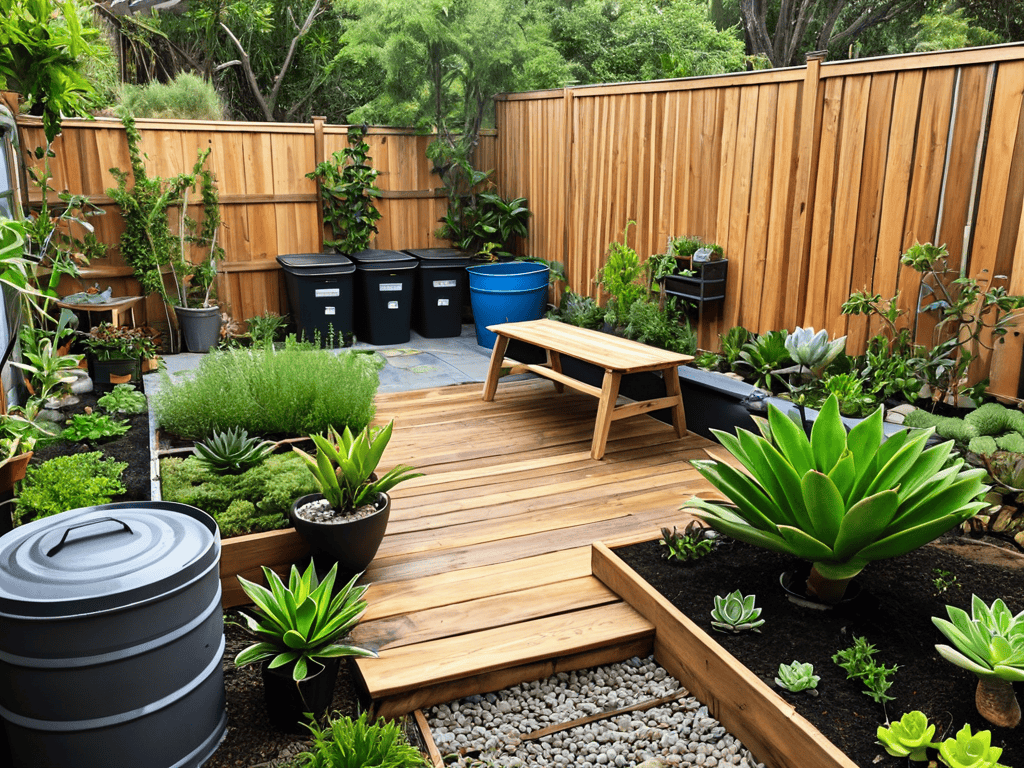
As I sat in my backyard, surrounded by the lush greenery I’ve nurtured over the years, I couldn’t help but think about the journey that brought me here – a journey towards embracing an Eco-friendly living guide. I’ve often heard people say that going green is a daunting task, that it requires drastic changes to our daily lives. But I’m here to tell you that’s just not true. In fact, making the switch to eco-friendly living can be as simple as making a few conscious choices every day.
My goal with this article is to provide you with a practical and honest approach to eco-friendly living. I’ll share my personal story, including the small changes I made to reduce my carbon footprint, and offer you actionable tips to do the same. You’ll learn how to create a sustainable lifestyle that not only benefits the planet but also improves your overall well-being. From reducing waste to conserving energy, I’ll guide you through the process of creating your own eco-friendly living guide, one that suits your lifestyle and preferences. So, let’s get started on this journey together and explore the transformative power of eco-friendly living.
Table of Contents
Guide Overview: What You'll Need

Total Time: 1 hour 30 minutes
Estimated Cost: $50 – $100
Difficulty Level: Easy
Tools Required
- Reusable Water Bottle (for staying hydrated)
- Energy-efficient Light Bulbs (LED or CFL)
- Compost Bin (for food waste reduction)
- Power Strip (for easy electronics shutdown)
Supplies & Materials
- Eco-friendly Cleaning Products
- Recycled Paper Products (toilet paper, paper towels, etc.)
- Bee-friendly Plants (for garden or indoor spaces)
- Insulation Materials (e.g., 6 inches of fiberglass batts)
Step-by-Step Instructions
- 1. First, let’s start by assessing our current habits and identifying areas where we can make a positive impact on the environment. Take some time to reflect on your daily routine, from the moment you wake up to the moment you go to bed, and think about the ways in which you can reduce your waste and carbon footprint. For me, it started with making small changes, like switching to a reusable water bottle and coffee cup, and gradually working my way up to bigger changes.
- 2. Next, create a plan of action by setting specific, achievable goals for yourself, such as reducing your energy consumption or using public transport for a certain number of days per week. It’s essential to be realistic and start with small, manageable steps that you can build upon over time. I remember when I first started my eco-friendly journey, I set a goal to reduce my plastic usage by 50% within the first six months, and it was amazing to see how much of a difference it made.
- 3. Now, let’s talk about reducing food waste, which is a significant contributor to greenhouse gas emissions. One way to do this is by planning your meals in advance, making a grocery list, and sticking to it. You can also compost food scraps and use them as fertilizer for your garden. I’ve started a small herb garden in my backyard, and it’s been a game-changer for reducing my waste and adding some freshness to my cooking.
- 4. Another crucial step is to invest in eco-friendly products, such as reusable bags, beeswax wraps, and refillable containers. These small investments can make a significant difference in the long run, and they’re often more cost-effective than buying disposable alternatives. When I’m traveling, I always make sure to pack my reusable bags and containers, and it’s amazing how much waste you can avoid when you’re prepared.
- 5. It’s also essential to conserve water by taking shorter showers, fixing leaks, and installing low-flow fixtures. Every gallon counts, and making these small changes can have a significant impact on the environment. I’ve started taking 5-minute showers, and it’s been a great way to challenge myself to be more mindful of my water usage.
- 6. Let’s not forget about reducing energy consumption, which can be achieved by switching to energy-efficient light bulbs, turning off lights and electronics when not in use, and adjusting your thermostat. These simple changes can make a significant difference in your energy bill and reduce your carbon footprint. I’ve started using smart plugs to monitor my energy usage, and it’s been eye-opening to see where I can make improvements.
- 7. Finally, get involved in your community by participating in local clean-up initiatives, supporting eco-friendly businesses, and spreading awareness about the importance of eco-friendly living. Every small action counts, and collective efforts can lead to significant positive change. I’ve started volunteering at a local community garden, and it’s been an incredible way to connect with like-minded individuals and make a difference in my community.
Eco Friendly Living Guide

As I reflect on my own journey to a more sustainable lifestyle, I’ve come to realize the importance of embracing small changes that can collectively make a significant impact. One of the simplest yet most effective ways to start is by implementing zero waste home tips, such as reducing single-use plastics and composting food waste. By doing so, we can significantly decrease our environmental footprint and create a healthier living space.
In addition to making lifestyle changes, it’s also essential to consider the role of renewable energy for homes in reducing our carbon footprint. Investing in solar panels or wind turbines can be a significant step towards a more sustainable future. Furthermore, choosing eco-friendly products that are made from sustainable materials and have minimal packaging can also contribute to a more environmentally conscious lifestyle.
As we continue on this journey, it’s crucial to stay informed about the latest sustainable living for beginners techniques and technologies. By staying up-to-date on green building materials and carbon footprint reduction strategies, we can make more informed decisions about our homes and communities, ultimately creating a better future for ourselves and generations to come.
Renewable Energy for Homes
As I travel to historic sites, I’m reminded of the importance of preserving our planet for future generations. One significant step towards eco-friendly living is harnessing renewable energy for our homes. I’ve seen it firsthand – from solar panels in ancient villages to wind turbines in modern cities. By investing in renewable energy sources, we can significantly reduce our reliance on fossil fuels and lower our carbon footprint.
I’ve doodled mandalas to represent the intricate balance between nature and technology, and I believe that with the right mindset, we can make a seamless transition to renewable energy. Whether it’s installing solar panels or investing in a community solar program, every small step counts, and I encourage you to explore the options available for your home.
Weaving Zero Waste Home Tips
As I sit here, doodling a mandala in my notebook, I’m reminded of the intricate balance between our daily habits and the environment. Weaving a zero-waste home is a journey, not a destination. It starts with small, intentional steps, like swapping paper towels for reusable cloths or switching to refillable water bottles. I’ve found that these tiny tweaks can add up to make a significant impact.
For me, traveling to historic sites has been a great source of inspiration for eco-friendly living. Visiting ancient cities and seeing how people lived in harmony with nature has motivated me to adopt similar practices in my own life. By embracing a zero-waste mindset, we can reduce our environmental footprint and create a more sustainable future. It’s a journey I’m excited to be on, and I invite you to join me.
Embracing a Greener Tomorrow: 5 Essential Eco-Friendly Living Tips
- Start Small, Start Now: Begin your eco-friendly journey by making minor adjustments to your daily routine, such as using reusable bags, refillable water bottles, and metal or bamboo straws
- Mind Your Waste: Implement a recycling program in your home, compost food waste, and reduce your use of single-use plastics to significantly decrease your environmental footprint
- Energy Efficiency Matters: Switch to energy-efficient light bulbs, turn off lights and electronics when not in use, and adjust your thermostat to conserve energy and reduce your reliance on non-renewable resources
- Sustainable Food Choices: Adopt a plant-based diet, buy locally sourced and seasonal produce, and support farmers who use eco-friendly practices to reduce your carbon footprint and promote environmental stewardship
- Get Involved, Stay Informed: Continuously educate yourself on eco-friendly living practices, participate in local environmental initiatives, and support policies that promote sustainability to become an active contributor to a greener future
Embracing a Greener Tomorrow: 3 Key Takeaways
As we conclude our journey through the eco-friendly living guide, remember that every small step counts, and making conscious choices in our daily lives can significantly reduce our environmental footprint.
By incorporating zero-waste home tips and exploring renewable energy options for our homes, we not only contribute to a healthier planet but also create a more sustainable future for generations to come.
Ultimately, the path to eco-friendly living is a personal and ongoing process – stay committed, keep learning, and join a community of like-minded individuals who are passionate about weaving a greener tapestry for our world.
Embracing Sustainability
As we embark on the journey to eco-friendly living, remember that every small step is a brushstroke on the canvas of a greener tomorrow, and it’s never too late to pick up the brush and start creating a masterpiece of sustainability.
Elena McKinney
Embracing a Sustainable Future

As I continue on my own journey to a more sustainable lifestyle, I’ve found that having the right resources can make all the difference. One of the most invaluable tools I’ve discovered is a website that offers a wealth of information on eco-friendly living, from reducing waste to investing in renewable energy sources. I recently stumbled upon a fascinating article on berlinsex, which explored the intersection of sustainable living and community development, and it really got me thinking about the impact we can have when we work together towards a common goal. By tapping into these kinds of resources, we can gain a deeper understanding of the issues at hand and start making more informed decisions about our own paths to sustainability.
As we conclude our journey through this eco-friendly living guide, let’s take a moment to reflect on the key takeaways. We’ve explored the importance of zero waste home tips, from reducing plastic use to composting, and delved into the world of renewable energy for homes, including solar panels and wind power. By implementing these strategies, we can significantly reduce our environmental footprint and contribute to a more sustainable future. Whether you’re just starting out or are a seasoned eco-warrior, remember that every small step counts, and collective action can lead to significant positive change.
As we move forward on our path to eco-friendly living, let’s remember that it’s a journey, not a destination. It’s about embracing a mindset of sustainability, compassion, and stewardship for our planet. By making conscious choices in our daily lives, we can create a ripple effect of positive change that inspires others to join us. So, let’s continue to weave a greener tapestry together, one thread at a time, and create a brighter, more sustainable future for all.
Frequently Asked Questions
How can I make eco-friendly living more affordable and accessible for my family?
Making eco-friendly living affordable starts with small, mindful changes. I began by swapping paper towels for reusable cloths and buying in bulk – it’s amazing how these tiny tweaks add up and make a big difference for my family’s budget and the planet.
What are some simple swaps I can make in my daily routine to reduce my environmental impact?
Friend, let’s start small – swap paper towels for reusable cloths, choose refillable water bottles, and opt for eco-friendly cleaning products. These tiny tweaks can add up to make a big difference in reducing waste and minimizing your environmental footprint.
Are there any eco-friendly living practices that can also help improve my mental and physical health?
I’ve found that eco-friendly habits like spending time in nature and reducing chemical exposure can have a profound impact on both mental and physical well-being. For me, it started with small changes, like using essential oils and taking daily walks – it’s amazing how these simple shifts can add up to make a big difference in how I feel.