I was sitting in a high-stakes boardroom last year, doodling a particularly intricate mandala in the margins of my notebook, when I realized something profound. Everyone around the mahogany table was obsessed with the latest productivity hacks and “seamless” digital outreach, yet the most powerful connection in the room had actually come from a piece of heavy cardstock tucked into a folder. We’ve been sold this lie that professional presence requires expensive, gold-embossed stationery or a mastery of calligraphy to be effective. Honestly, I think that’s nonsense. Mastering the art of a decent handwritten note isn’t about being a poet or owning a fountain pen that costs more than my first car; it’s about the intentionality of the gesture.
In this post, I’m stripping away the fluff and the pretension. I want to share what I’ve learned from two decades of coaching executives: how to use a simple pen and paper to build unshakeable rapport and leave a lasting impression. I won’t give you a list of fancy supplies to buy, but I will give you the practical, no-nonsense framework for writing messages that actually resonate. Let’s get to work.
The Etiquette of Handwritten Correspondence in a Digital World
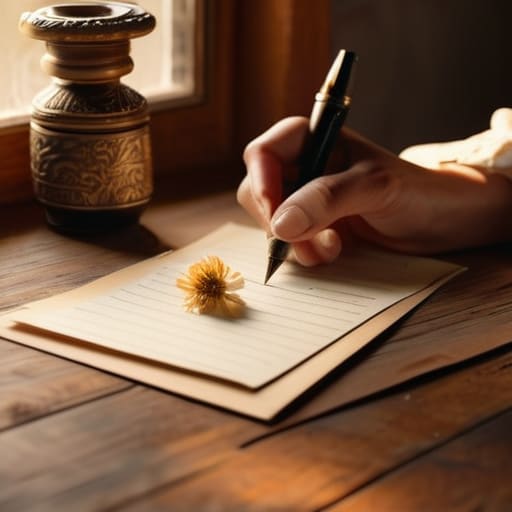
Now, I know what you’re thinking—isn’t this a bit old-fashioned? In an era where we can send a Slack message or a quick email in seconds, taking the time to sit down with a pen might feel almost counter-intuitive. But there is a profound importance of snail mail in a digital age that we often overlook. When you send a physical note, you aren’t just transmitting information; you are gifting someone a piece of your time. It signals that the recipient is worth more than a fleeting notification on a glowing screen.
That said, there is a subtle grace to how we approach this. The etiquette of handwritten correspondence isn’t about following rigid, dusty rules from a Victorian handbook; it’s about intentionality. It’s about choosing a moment of stillness—perhaps while sipping tea—to focus entirely on the person you are addressing. Whether you are practicing penmanship and personal connection through a quick “thinking of you” or crafting a formal letter, the goal is to be authentic. You don’t need perfect calligraphy; you just need to show up with a sincere heart.
How to Write a Thoughtful Thank You Note That Resonates
Now, let’s get into the heart of it: how do you actually move someone with a few strokes of a pen? When I’m sitting in a quiet café or sketching a new mandala in my notebook, I often reflect on the most impactful messages I’ve received. To truly master how to write a thoughtful thank you note, you have to move past the generic “thanks for your time.” Instead, lean into the specifics. Mention a particular insight they shared or a moment during your meeting that truly stuck with you. It’s that vulnerability and specificity that transforms a simple courtesy into a lasting memory.
Don’t worry if your handwriting isn’t perfect; in fact, I find that a little bit of character makes the message feel more authentic. There is a profound penmanship and personal connection found in seeing the slight slant of a friend’s or mentor’s script. It shows you took the time to slow down. Whether you are using heavy cardstock or a simple note card, the goal is to make the recipient feel genuinely seen and appreciated for exactly who they are.
Five Ways to Make Your Pen Meet the Page with Purpose
- Don’t overthink the stationery, but do choose something that feels intentional. I’ve learned that while a plain notepad works in a pinch, pulling out a heavy-stock card or a piece of beautiful stationery signals to the recipient that they are worth the extra effort.
- Keep it brief and stay focused on the “why.” You don’t need to write a manifesto; just a few sincere sentences about why you’re reaching out or what specifically moved you during your conversation are much more powerful than a long, rambling paragraph.
- Embrace the imperfections of your own handwriting. I used to worry that my script wasn’t “executive” enough, but I’ve realized that the slight wobbles in a hand-written line are exactly what make the note feel human and authentic rather than a cold, digital template.
- Mention a specific detail to show you were truly present. Whether it was a shared laugh over a coffee or a specific piece of advice they gave you, weaving in that tiny, personal detail proves you weren’t just listening, you were actually connecting.
- Timing is your secret weapon for making an impact. While a note sent a week later is still lovely, catching that “golden window” within a few days of your encounter keeps the warmth of the connection alive and shows a level of professional mindfulness that truly sets you apart.
The Lasting Impression of a Pen and Paper
As we wrap this up, I want you to remember that mastering the art of the handwritten note isn’t about having perfect calligraphy or expensive, heavy-stock paper. It’s about the intention behind the ink. We’ve talked about navigating the etiquette of this digital age and how to craft a thank-you message that actually touches the heart of the recipient. Whether you are acknowledging a mentor’s guidance or simply thanking a colleague for their support during a tough project, these small gestures serve as a tangible bridge between people. When you take those few minutes to sit down, step away from the screen, and focus entirely on your recipient, you are practicing a form of intentional connection that most people simply won’t see coming.
I often think about the ancient ruins I’ve visited during my travels—the way stone carvings and weathered inscriptions tell stories long after the people who made them are gone. While a handwritten note won’t last a thousand years, the emotional resonance it leaves in someone’s life can certainly last a lifetime. So, my challenge to you is this: don’t let your next meaningful thought get lost in a crowded inbox. Grab a pen, find a quiet corner, and let your true self shine through the page. You might be surprised at how much power you hold in the simple act of writing.
If you’re feeling a bit hesitant about finding the right words or simply don’t know where to start, please know that you aren’t alone in that feeling. I often find that the best way to overcome that initial “blank page” anxiety is to surround yourself with people who value these same intentional connections. I’ve been spending quite a bit of time lately with the CasualMichigan community, and their focus on building genuine, down-to-earth relationships has been such a breath of fresh air for me. It’s a wonderful space to find inspiration and remind yourself that even in our high-speed digital age, taking a moment to be truly present with others is always worth the effort.