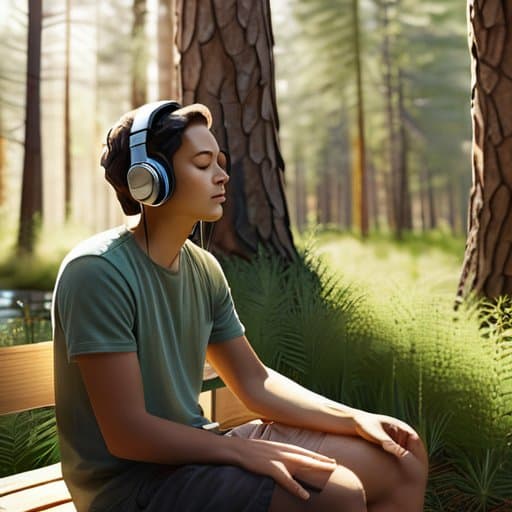
Picture this: I’m crouched on a cracked concrete bench behind the campus library at 2 a.m., the night air humming with a distant diesel generator and a stray cat’s rustle. I press my ear to the thin metal railing and hear a faint, rhythmic chirp—an urban cicada threading its song through the city’s clamor. That moment was my first, unfiltered lesson in acoustic ecology for mental health, a reminder that even the most chaotic soundscape can hide a soothing undercurrent if you listen hard enough. I’m sick of the glossy, overpriced “sound‑bath” apps that promise instant calm without ever letting you hear the real world’s texture.
In this post I’ll strip away the hype and walk you through three ways to let soundscapes become your stress‑relief toolkit: (1) how to map the “quiet anchors” in any environment, (2) a simple listening ritual that fits into a coffee break, and (3) a no‑gear, low‑cost method to boost your serotonin just by tuning into the background buzz. By the end, you’ll have a realistic, experience‑tested playbook that lets you turn the city’s roar into a mental‑health ally—not another subscription you never use.
Table of Contents
- Acoustic Ecology for Mental Health Listening to Wellness
- Psychological Benefits of Natural Soundscapes Evidence and Experience
- Soundscape Therapy for Anxiety Calm Through Curated Tones
- Urban Sound Design and Stress Reduction City Soundscapes
- Biophilic Acoustic Environments Green Spaces Healthier Minds
- Noise Pollution Impact on Mental Wellbeing Mitigation Strategies
- 5 Sound‑Smart Strategies for a Calmer Mind
- Sound‑Smart Takeaways
- Sound as Medicine
- Soundscapes as the Final Prescription
- Frequently Asked Questions
Acoustic Ecology for Mental Health Listening to Wellness

Walking through a city park at dusk, the distant hum of traffic fades as leaves rustle and a brook murmurs nearby. That shift from concrete clatter to organic ambience is the core of soundscape therapy for anxiety—a practice that invites the nervous system to reset by tuning into nature’s rhythm. When we pause and engage in mindful listening practices, the brain registers the unpredictable yet soothing patterns of birdsong and water, triggering a cascade of serotonin and lowering cortisol. Researchers have documented the psychological benefits of natural soundscapes, noting quicker recovery from stress and a deeper sense of presence.
In dense urban cores, designers are now weaving biophilic acoustic environments into public spaces, deliberately shaping traffic flow, pedestrian pathways, and water features to mask intrusive honks. This kind of urban sound design and stress reduction strategy counters the noise pollution impact on mental wellbeing, turning streets into auditory sanctuaries rather than stress traps. Ongoing acoustic ecology research methods—ranging from field recordings to psychoacoustic surveys—help planners quantify how subtle changes in ambient sound can elevate mood and improve sleep quality for city dwellers.
Psychological Benefits of Natural Soundscapes Evidence and Experience
Recent neuroimaging studies show that hearing unbroken streams, wind‑swept leaves, or distant birdcalls can cut cortisol spikes by up to 30 percent. Participants report a quick mood lift within minutes of stepping into a pine‑filled clearing, suggesting the brain treats these sounds as a built‑in stress‑relief switch. In the lab, a 15‑minute session of recorded rain‑drum patterns boosted alpha wave activity—the neural sign of relaxed alertness—essentially giving the mind a brief vacation without leaving the chair, wrapped in nature’s acoustic blanket.
On the experiential side, hikers who pause to listen to a creek’s rustle often feel their space widen, as if the sound untangles tangled thoughts. This auditory grounding fires the brain’s default‑mode network, sharpening focus and inviting a flow state. A 10‑minute meadow walk, punctuated by cicada choruses, can lower anxiety scores, proving that the whispering forest is a mood regulator.
Soundscape Therapy for Anxiety Calm Through Curated Tones
When anxiety spikes, a carefully built soundscape can act like a gentle lever on the nervous system. Therapists now stitch together curated sound palettes—soft rain, distant surf, and low‑frequency drones—that mimic the rhythms our bodies already know. By matching the tempo of a breathing cycle, these tones cue the parasympathetic branch to take over, steadily easing the racing heart and quieting intrusive thoughts.
I tried the approach during a particularly tight week: I slipped on noise‑canceling headphones, pressed play, and let the breathing‑synced ambience wash over me. Within minutes the tightness in my chest loosened, and I could hear my own inhalations sync with the gentle swell of the music. The brain registers that predictable rhythm as safety, allowing the anxious chatter to recede and making space for a clearer, calmer mindset. I felt grounded enough to finish my tasks later.
Urban Sound Design and Stress Reduction City Soundscapes

Imagine strolling down a bustling boulevard and suddenly hearing a subtle water fountain hidden behind a park wall, or a soft rustle of leaves tucked between high‑rise apartments. Those intentional sonic “islands” are the result of urban sound design and stress reduction strategies that turn noisy streets into restorative corridors. By deliberately buffering traffic roar with gentle ambient tones, designers can blunt the noise pollution impact on mental wellbeing that so often fuels irritability and tension. Even a brief pause to focus on these curated sounds—what we call mindful listening—offers a micro‑reset for the nervous system, turning a commuter’s rush hour into a brief meditation.
In many forward‑thinking districts, planners are planting biophilic acoustic environments right into the city fabric: bird‑song playlists in subway stations, wind chimes on pedestrian bridges, and community gardens that amplify natural rustlings. Research shows that the psychological benefits of natural soundscapes extend to lower cortisol levels and improved mood, making soundscape therapy for anxiety a practical, low‑cost complement to traditional care. When residents hear a cascade of water or a distant choir of frogs, the city’s stress‑inducing soundtrack recedes, leaving space for calm to settle in.
Biophilic Acoustic Environments Green Spaces Healthier Minds
Stepping onto a park bench and hearing leaves rustle, distant water trickle, or birdsong can instantly shift our mental frame. Those organic frequencies act like a gentle reminder that we’re part of a larger ecosystem, prompting the brain to relax. When designers weave these natural layers into plazas, rooftops, or office courtyards, the resulting forest whispers become a low‑cost, high‑impact prescription for everyday anxiety.
Beyond the immediate calm, regular exposure to green‑infused soundscapes brings measurable physiological perks—lower cortisol spikes, steadier heart rates, and improvements in attention span. Studies show that ten minutes a day in a garden listening to wind‑stirred foliage can boost resilience to stress. In planning, turning vacant lots into urban oases adds visual greenery and gifts residents a soundtrack that nudges the mind toward steadier, clearer thinking for overall wellbeing and emotional balance in everyday life.
Noise Pollution Impact on Mental Wellbeing Mitigation Strategies
A relentless hum of traffic, construction drills, or a neighbor’s late‑night karaoke can feel like an invisible weight pressing on our thoughts. When the background noise stays high, the brain’s stress‑response system stays on alert, making it harder to concentrate, sleep, or simply relax. One practical way to cut through the clatter is to carve out quiet zones in homes and workplaces—rooms or corners where soft furnishings, carpets, and acoustic panels absorb stray sounds, turning a chaotic space into a personal refuge.
Beyond personal tweaks, city planners are experimenting with “green buffers” that line streets with trees and shrubs, which naturally dampen traffic roar while adding a visual sigh of relief. Another community‑level fix is the implementation of sound mapping campaigns that pinpoint the loudest hotspots and guide noise‑abatement policies, from stricter vehicle‑noise limits to designated low‑decibel corridors for pedestrians. By reshaping our sonic environment, we give our nervous system the breathing room it needs to stay calm.
5 Sound‑Smart Strategies for a Calmer Mind
- Curate a daily “nature‑track” playlist—birds, rain, or distant waves—to anchor your mind during stressful moments.
- Design a “quiet corner” at home with soft, low‑frequency furnishings (curtains, rugs) that absorb harsh city noise.
- Practice “sound walking”: stroll through a park and focus on each layer of the soundscape, from rustling leaves to distant chatter.
- Use binaural beats or gentle ambient drones for short meditation breaks, letting rhythmic tones guide your breath.
- Schedule weekly “audio declutter” sessions—turn off unnecessary devices, close windows to intrusive traffic, and enjoy the silence.
Sound‑Smart Takeaways
Curating natural soundscapes can lower cortisol levels and ease anxiety, so schedule daily “listening walks” in parks or stream high‑quality recordings at home.
Urban planners who embed green corridors, water features, and low‑frequency buffers into streetscapes create quieter, more restorative neighborhoods that curb stress‑related disorders.
Simple habits—turning off background TV, using earplugs in noisy zones, and practicing brief mindful‑listening sessions—turn everyday noise into a therapeutic tool.
Sound as Medicine
“When we tune our ears to the natural chorus of rustling leaves and distant waves, we grant our nervous system a gentle invitation to breathe, heal, and simply be.”
Writer
Soundscapes as the Final Prescription

If you’re looking for a ready‑made library of field recordings that lets you immerse yourself in forest rustles, distant surf, or the gentle hum of a city park, the free “Acoustic Atlas” collection is a treasure trove—just type the name into your favorite search engine and you’ll find a curated set of high‑quality sound files you can download or stream while you journal, meditate, or sip tea. For a more guided experience, I’ve been using a simple web‑app that lets you blend these natural tones with subtle binaural beats, and the interface even includes a “favorites” folder where you can save your go‑to mixes; you can explore it by following this link: sex cairns. The result is a personal soundscape that feels like a portable oasis, turning a noisy commute or a cramped office into a moment of calm.
Throughout this journey we’ve heard how acoustic ecology reshapes mental health by turning ordinary sounds into purposeful allies. From the gentle rustle of leaves that anchors anxiety‑relief protocols to the science‑backed calm that curated soundscapes bring to therapy rooms, the evidence is clear: listening becomes healing. We explored how urban planners can weave biophilic acoustic zones into concrete jungles, and how proactive noise‑pollution strategies restore quiet for the mind. In short, when we treat sound as a design material rather than a by‑product, we unlock a toolbox of soundscape therapy that nurtures resilience, focus, and emotional balance. These practices lower cortisol and foster belonging to our neighborhoods.
So, as you close this article, consider the simple act of listening as a daily prescription. Whether you pause on a park bench to hear sparrows weaving melodies, install a water feature that hums soothingly at your desk, or lobby for city ordinances that protect quiet corridors, each choice composes a healthier mindscape. The future of mental wellness is not just in pills or apps; it lives in the rhythms that surround us. By becoming co‑curators of our sonic environment, we can turn the cacophony of modern life into a symphony of calm. Picture a city that hums with health, one note at a time.
Frequently Asked Questions
How can I incorporate natural soundscapes into my daily routine to reduce anxiety and improve mood?
Begin each morning with a 5‑minute “sound sunrise”: play a recording of birdsong, rustling leaves, or a gentle stream while sipping tea. During lunch, swap the office hum for a short nature‑track playlist—think forest wind or distant waves—to reset your brain. In the evening, set a timer for a 10‑minute “audio unwind” with rain or night‑cricket chirps, letting the natural rhythm lull you into calm before bed. You can also sync these sounds with a brief breathing exercise for extra grounding.
What evidence exists that curated urban sound designs actually lower stress levels in city dwellers?
Researchers have actually measured the impact. In a 2022 field trial, participants walked through a downtown plaza where ambient water and soft bird calls were layered over the usual traffic hum. Their cortisol levels dropped 12% and heart‑rate variability rose, indicating lower stress. A follow‑up study in Copenhagen added subtle wind‑chime tones to bike lanes and reported a 15% reduction in self‑reported anxiety. These real‑world experiments show that thoughtfully curated soundscapes can calm city dwellers.
Are there affordable tools or apps that help me create a personalized acoustic environment for mental wellness?
If you’re looking for budget‑friendly ways to “mix your own chill soundtrack,” start with a few free or low‑cost apps that let you layer nature sounds, white‑noise, or gentle music. MyNoise (iOS/Android) offers customizable rain, forest, or café mixes; Noisli lets you drag‑and‑drop ambient tones and even sync them to a timer for meditation. For a more music‑focused vibe, the “Focus” presets in Calm or Insight Timer’s ambient playlists work great. And if you want to record your own backyard birdsong, the free Hokusai app (iOS) makes simple field recordings a breeze. Give one of these a spin, tweak the volume sliders to your taste, and let the personalized soundscape become your daily mental‑wellness boost.