I remember the first time someone tried to sell me on the idea of gamification in mentoring. It was in a stuffy conference room, the kind with flickering fluorescent lights that make you question your life choices. The presenter, a slick consultant type, was peddling this shiny new concept like it was the second coming. “Throw in some badges, a few leaderboards, and watch engagement soar,” he chirped. I couldn’t help but think it sounded like a desperate attempt to inject a bit of flair into a system that was fundamentally flawed. It was like trying to fix a leaky pipe with duct tape—sure, it might hold for a while, but eventually, you’re going to end up with a bigger mess on your hands.
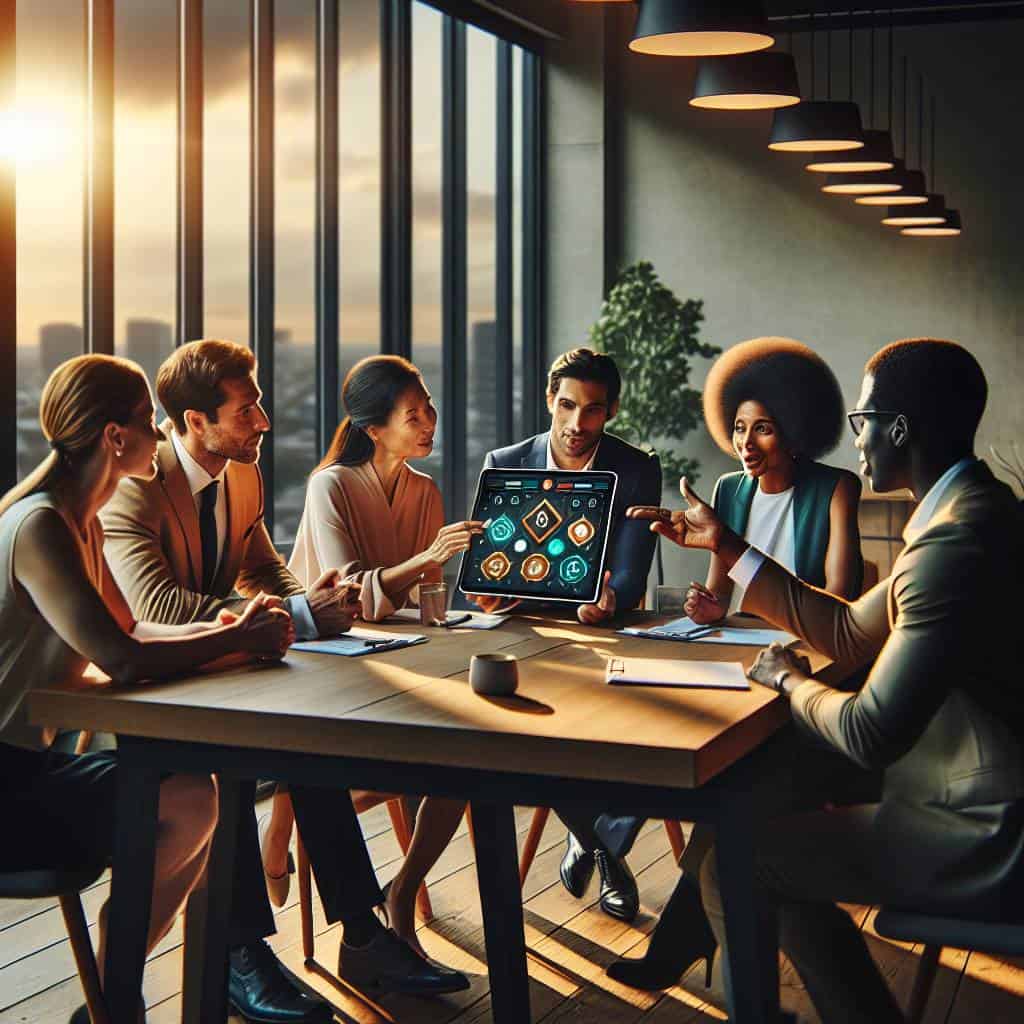
Now, don’t get me wrong. There’s potential here. But I’m not going to sit back and tell you that slapping a few game mechanics onto a mentorship program is a silver bullet. In this article, we’re going to delve into why the glittery promise of gamification needs more than just a surface-level application. We’ll dissect engagement, learning, and motivation, exposing what’s real and what’s just smoke and mirrors. Buckle up, because we’re going to cut through the noise and get to the heart of what truly makes mentoring effective, beyond the digital razzle-dazzle.
Table of Contents
How Playing Games Made Me a Reluctant Mentor
I never set out to be a mentor. Honestly, the very thought of it felt like an unnecessary attachment to the predictable grind of professional life. But then, something unexpected happened. I got hooked on games—not the flashy, soulless ones that try to empty your wallet, but the ones that challenge you to think, adapt, and sometimes even fail gloriously. It was in the pixelated chaos of those games that I unwittingly found myself in a mentoring role. It turns out, the virtual battlefield is a fertile ground for learning about real-world challenges, and it taught me more about guiding others than any corporate training ever could.
Playing games forced me into scenarios where strategy, patience, and quick thinking were my only allies. You learn fast—or face the inevitable ‘game over’ screen. It’s a lot like life, isn’t it? You’re thrown into situations with people—some you like, some you don’t—and you’ve got to figure out how to make it work. In these digital realms, I found myself helping teammates navigate complex challenges, offering advice, and sometimes just listening. It was a revelation: mentorship wasn’t about having all the answers; it was about engaging, motivating, and learning alongside others. A leaderboard doesn’t capture the essence of that experience; it’s the camaraderie and the shared failures and victories that do.
So, here I am—an engineer by trade, a gamer by choice, and a reluctant mentor by circumstance. It’s not about slapping a gamified veneer on mentoring and calling it a day. It’s about creating an environment where everyone is a player, where learning is a constant side quest, and motivation isn’t a carrot dangled on a stick but an intrinsic part of the journey. Games taught me that the real power of mentoring lies in the dynamic interplay of engagement and growth—something no badge or sticker can replicate. And maybe, just maybe, that’s the kind of mentorship that matters.
The Unvarnished Truth
Turning a mentorship into a game doesn’t magically create engagement; it just turns serious learning into a circus. Real motivation comes from connection, not competition.
Beyond the Game Board: The Real Deal in Mentoring
Peeling back the layers of this whole ‘gamification’ saga, I’ve learned that the real magic isn’t in the bells and whistles. It’s in the sweat and grit of real connection. You see, mentoring isn’t about handing out badges like candy at Halloween. It’s about those moments when you look past the distractions, and find the raw, unfiltered exchange of ideas. When the novelty wears off, what’s left is the meat of the matter—authentic engagement that doesn’t rely on gimmicks.
What I discovered is something the purveyors of gamification won’t tell you: people crave substance over spectacle. Motivation isn’t a sparkly badge; it’s the push and pull of genuine curiosity and the satisfaction of solving a puzzle together. So, as I reluctantly step into the role of mentor, I toss aside the glitter and embrace the messy, challenging, and ultimately rewarding path of real human interaction. Because, at the end of the day, that’s the only game worth playing.