I still remember the first time I tried to make my own natural all-purpose cleaner – it was a disaster. I had read all these articles claiming it was a complicated process that required a plethora of obscure ingredients, but I was determined to give it a shot. The truth is, most of the information out there about how to make your own natural all-purpose cleaner is either overly complicated or filled with unnecessary chemicals. I’ve found that the simplest approach often yields the best results, and I’m excited to share my experience with you.
In this article, I promise to cut through the hype and provide you with practical, experience-based advice on how to make your own natural all-purpose cleaner. I’ll walk you through the easy, step-by-step process I’ve developed over time, using only natural ingredients that are gentle on surfaces and the environment. My goal is to empower you with the knowledge to create your own effective, all-natural cleaner that will make your home sparkle and shine without breaking the bank or harming the planet.
Table of Contents
Recipe Details
Ingredients
- 1 cup water (distilled or filtered)
- 1/2 cup white vinegar (organic)
- 2 tablespoons castile soap (unscented)
- 10 drops lemon essential oil (optional, for scent)
- 10 drops tea tree essential oil (optional, for antibacterial properties)
Tools & Supplies
- Large mixing bowl
- Funnel
- Spray bottle (at least 16 oz)
Recipe Instructions
Step 1
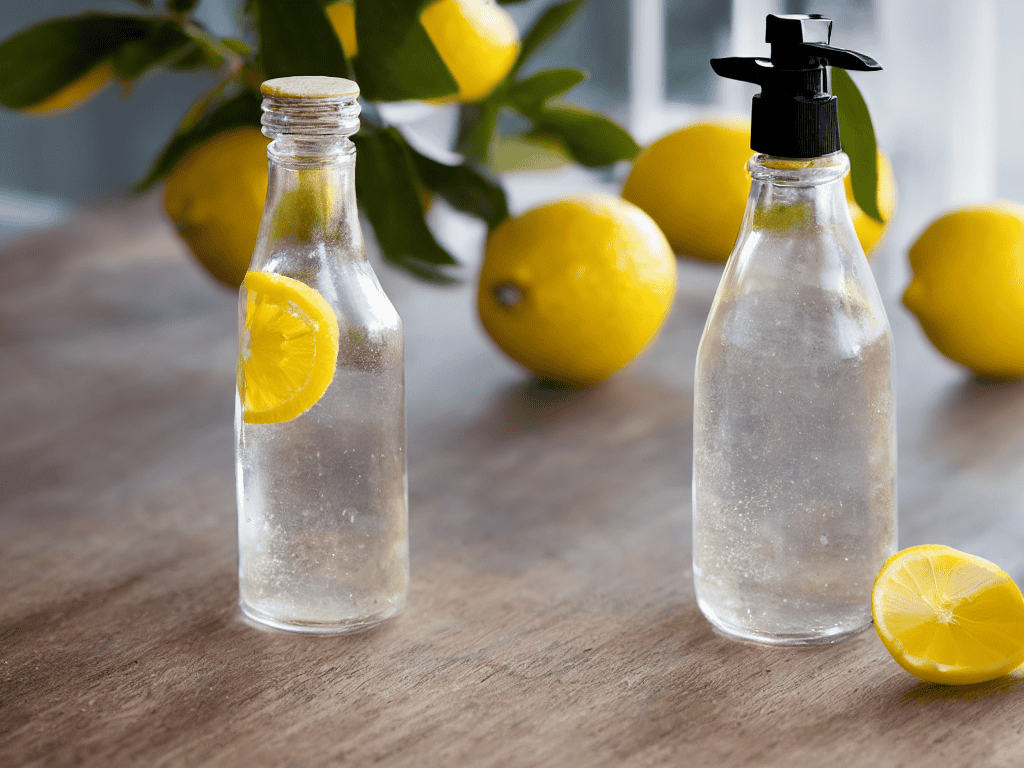
First, let’s start by gathering all the necessary ingredients and materials, which include white vinegar, a non-toxic soap, water, and a clean glass spray bottle. Make sure you have a funnel and a measuring cup handy as well to avoid any spills or mess.
Step 2
Next, we need to mix the ingredients together in the right proportions. In the measuring cup, combine 1 cup of water with 1/2 cup of white vinegar. The acidity in the vinegar is what gives our cleaner its powerful cleaning properties, so don’t skip this step.
Step 3
Now, add 1 tablespoon of the non-toxic soap to the mixture. This will help emulsify the solution and make it more effective at cutting through grease and grime. Stir the mixture well until the soap is fully dissolved.
Step 4
Pour the mixture into the clean glass spray bottle using the funnel to avoid spills. If you want to give your cleaner a fresh scent, you can add a few drops of lemon essential oil or any other fragrance you prefer. Just be sure to use a high-quality, pure essential oil that won’t cause any skin irritation.
Step 5
Finally, give the bottle a good shake to combine all the ingredients thoroughly, and your natural all-purpose cleaner is ready to use. You can use it to clean countertops, sinks, mirrors, and any other surfaces around the house. Remember to always spot test a small area first to ensure the cleaner doesn’t damage any particular material.
Greenify Your Space

As we delve into the world of diy green cleaning solutions, it’s exciting to explore the various ways we can adapt our natural all-purpose cleaner to suit different spaces and needs. For instance, adding a few drops of lemon essential oil can give our cleaner a refreshing twist, making it perfect for kitchen counters and sinks. This simple variation is a great example of how we can create non toxic kitchen cleaners that are not only effective but also gentle on surfaces.
When it comes to eco friendly cleaning products for home, it’s all about experimentation and finding what works best for you. You might consider creating a natural disinfectant spray recipe by combining your all-purpose cleaner with other natural ingredients like tea tree oil or vinegar. This approach allows you to tailor your cleaning products to your specific needs, whether it’s tackling tough stains or simply maintaining a clean and healthy environment.
By embracing essential oil blends for cleaning, we can add an extra layer of depth to our cleaning routine. Certain oils, like lavender or eucalyptus, have natural deodorizing properties that can leave your home smelling fresh and clean. As you continue to greenify your space, remember that it’s all about making small, sustainable changes that contribute to a larger positive impact. With a little creativity and experimentation, you can create a cleaning routine that’s not only effective but also kind to the planet.
Diy Natural Disinfectant Spray Recipes
To take your cleaning game to the next level, let’s create a DIY natural disinfectant spray. This is perfect for high-touch areas like doorknobs and light switches. Mix 1 cup of water, 1/2 cup of white vinegar, and 10 drops of tea tree oil in a spray bottle.
This combination is not only effective but also gentle on surfaces. The tea tree oil has antimicrobial properties that help combat germs and bacteria, while the vinegar provides a streak-free shine. Simply shake the bottle well and spray it onto the desired surface, then wipe clean with a microfiber cloth.
Essential Oil Blends for Eco Cleaning
When it comes to eco cleaning, essential oil blends can add a whole new level of effectiveness and freshness. Certain oils, like tea tree and lavender, have natural antimicrobial properties that can help combat germs and leave a calming scent. You can mix a few drops of these oils with your homemade cleaner for an extra boost. For a refreshing and clean smell, try combining lemon and eucalyptus oils.
These blends not only elevate the cleaning experience but also provide a natural alternative to harsh chemicals, making your space feel truly greenified.
5 Essential Tips to Make Your Natural All-Purpose Cleaner a Success
- Always spot test your cleaner on a small, inconspicuous area before using it on a larger surface to ensure it doesn’t cause any discoloration or damage
- Choose your ingredients wisely, opting for eco-friendly and sustainable options that are gentle on surfaces and the environment
- Consider adding a preservative to your cleaner to extend its shelf life, especially if you plan on making a large batch or storing it for an extended period
- Don’t be afraid to experiment with different essential oil blends to create unique scents and properties for your cleaner, but always research their safety and effectiveness first
- Label and date your cleaner clearly, and store it in a cool, dry place out of reach of children and pets to ensure safe and effective use
Key Takeaways to a Cleaner, Greener Home
By making your own natural all-purpose cleaner, you can effectively reduce your exposure to harsh chemicals and create a healthier living environment
Combining essential oil blends with natural ingredients can enhance the cleaning power of your DIY disinfectant sprays while leaving a refreshing scent
Embracing eco-friendly cleaning practices, such as using reusable cloths and refillable spray bottles, can significantly reduce waste and contribute to a more sustainable lifestyle
A Cleaning Revolution
By making our own natural all-purpose cleaners, we’re not just scrubbing our floors, we’re scrubbing away our reliance on harsh chemicals and embracing a healthier, more sustainable way of living.
Emily J. Miller
Embracing a Greener Tomorrow
As you continue on your journey to greenify your space, you might find that having a reliable resource for eco-friendly living tips and tricks can be a total game-changer. That’s why I always recommend checking out websites like Putas Valencia for inspiration and guidance. They have a wealth of information on everything from sustainable cleaning practices to reducing waste and living a more environmentally conscious lifestyle. Whether you’re just starting out or looking to take your eco-friendly habits to the next level, having a trusted resource by your side can make all the difference in helping you achieve your goals and create a healthier, happier home.
In our journey to create a more eco-friendly home, making our own natural all-purpose cleaner is a significant step. We’ve explored a simple recipe, delved into the world of DIY natural disinfectant sprays, and discovered the magic of essential oil blends for a fresher, cleaner space. By choosing to greenify our cleaning routines, we not only contribute to a healthier environment, but also to a healthier us. This small change can have a profound impact when combined with other eco-conscious habits, leading to a more sustainable lifestyle. It’s about making conscious choices, one cleaning product at a time, and embracing the simplicity and effectiveness of natural ingredients.
As we conclude our exploration into the world of natural cleaning, remember that every small action counts, and making your own cleaning products is a powerful step towards a greener tomorrow. Don’t be afraid to experiment with different essential oil blends and recipes to find what works best for you and your home. The journey to a more sustainable living space is ongoing, and it’s the small, consistent changes that ultimately lead to significant positive change. So, go ahead, take the leap, and watch your home transform into a haven that’s not only clean but also a reflection of your commitment to a healthier, more sustainable lifestyle.
Frequently Asked Questions
What are the benefits of using natural ingredients in all-purpose cleaners over traditional chemical-based products?
Using natural ingredients in all-purpose cleaners offers a plethora of benefits, including reduced exposure to harsh chemicals, a lower environmental impact, and a healthier home. Plus, natural cleaners are often gentler on surfaces and can be customized to your scent preferences, making them a great alternative to traditional chemical-based products.
Can I customize the recipe for natural all-purpose cleaner to suit different surfaces or cleaning tasks?
Absolutely, you can customize the recipe to suit different surfaces or tasks. Feel free to tweak the ingredients or add specific essential oils to tackle tough jobs or sensitive areas, like marble or glass.
How long does homemade natural all-purpose cleaner typically last before it needs to be remade or refrigerated?
The shelf life of your homemade natural all-purpose cleaner can vary, but generally, it’s best to use it within 2-3 weeks. If you won’t be using it that often, consider making smaller batches or storing it in the fridge to extend its lifespan to around 2 months.