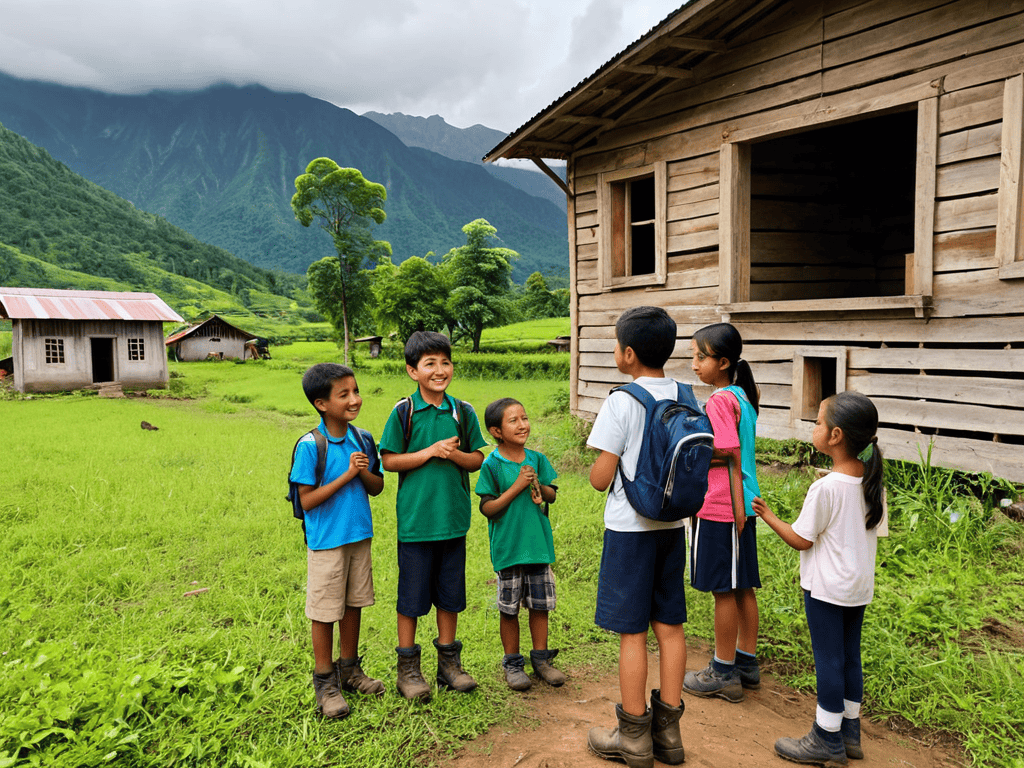
I still remember the day I embarked on my first volunteering trip abroad, full of enthusiasm and a desire to make a difference. But as I delved deeper into the experience, I realized that volunteering abroad wasn’t just about giving back – it was also about being mindful of the impact we have on the communities we’re trying to help. That’s why I’ve put together a guide to volunteering abroad ethically and responsibly, to help you navigate the complexities of international volunteering and make a positive difference.
As you read through this article, you’ll get practical advice on how to choose the right organization, prepare for your trip, and ensure that your actions are benefiting the local community. You’ll learn how to avoid common pitfalls and make the most of your experience, all while being respectful of the culture and environment you’re in. By the end of this guide, you’ll be equipped with the knowledge and skills to volunteer abroad in a way that’s both responsible and rewarding, and to make a lasting impact on the communities you touch.
Table of Contents
- Guide Overview: What You'll Need
- Step-by-Step Instructions
- A Guide to Volunteering Abroad Ethically
- Sustainable Volunteer Projects for Wildlife Conservation
- Unpacking Cultural Immersion Programs Overseas
- Navigating the Complexities of Global Volunteer Work: 5 Essential Tips
- Key Takeaways for Ethical Volunteering Abroad
- The Heart of Responsible Travel
- Embracing the Power of Responsible Volunteering
- Frequently Asked Questions
Guide Overview: What You'll Need
Total Time: several weeks to several months
Estimated Cost: $500 – $5,000
Difficulty Level: Intermediate / Hard
Tools Required
- Research skills (for finding reputable organizations)
- Language skills (for effective communication abroad)
- Cultural sensitivity training (for understanding local customs and norms)
Supplies & Materials
- Passport (with at least 6 months validity)
- Visa (if required by the host country)
- Vaccinations (as recommended by a healthcare professional)
- Travel insurance (that covers international volunteering)
- Responsible volunteering guidebook (for understanding best practices)
Step-by-Step Instructions
- 1. First, research thoroughly the organization you’re planning to volunteer with, looking into their mission, values, and past projects to ensure they align with your own goals and ideals, and that they have a proven track record of positive impact in the communities they serve.
- 2. Next, consider the local context and the specific needs of the community you’ll be working with, thinking about how your skills and abilities can be of most use, and what you can realistically accomplish during your time there, avoiding any actions that might be seen as imposing your own values or beliefs on the local population.
- 3. Then, consider the cultural differences and nuances that may affect your work, taking the time to learn about local customs, traditions, and ways of life, and being mindful of your own cultural biases and how they might influence your interactions with the community, in order to build trust and foster open communication.
- 4. After that, think about the environmental impact of your volunteering, considering the carbon footprint of your travel, the resources you’ll be using, and the potential effects of your actions on the local ecosystem, looking for ways to minimize your ecological footprint and promote sustainable practices in the community.
- 5. Fifth, set clear goals and expectations for your volunteering experience, defining what you hope to achieve and how you plan to measure your success, while also being flexible and open to adjusting your plans as needed, and being willing to listen and learn from the community and your fellow volunteers.
- 6. Next, prepare yourself physically and emotionally for the challenges of volunteering abroad, making sure you have any necessary vaccinations, medications, or equipment, and taking care of your mental health through self-care and stress-reducing activities, in order to ensure your own well-being and ability to make a positive contribution.
- 7. Finally, follow up and follow through after your volunteering experience, staying in touch with the organization and the community, and looking for ways to continue making a positive impact in the long term, whether through fundraising, advocacy, or sharing your story with others to inspire them to get involved.
A Guide to Volunteering Abroad Ethically
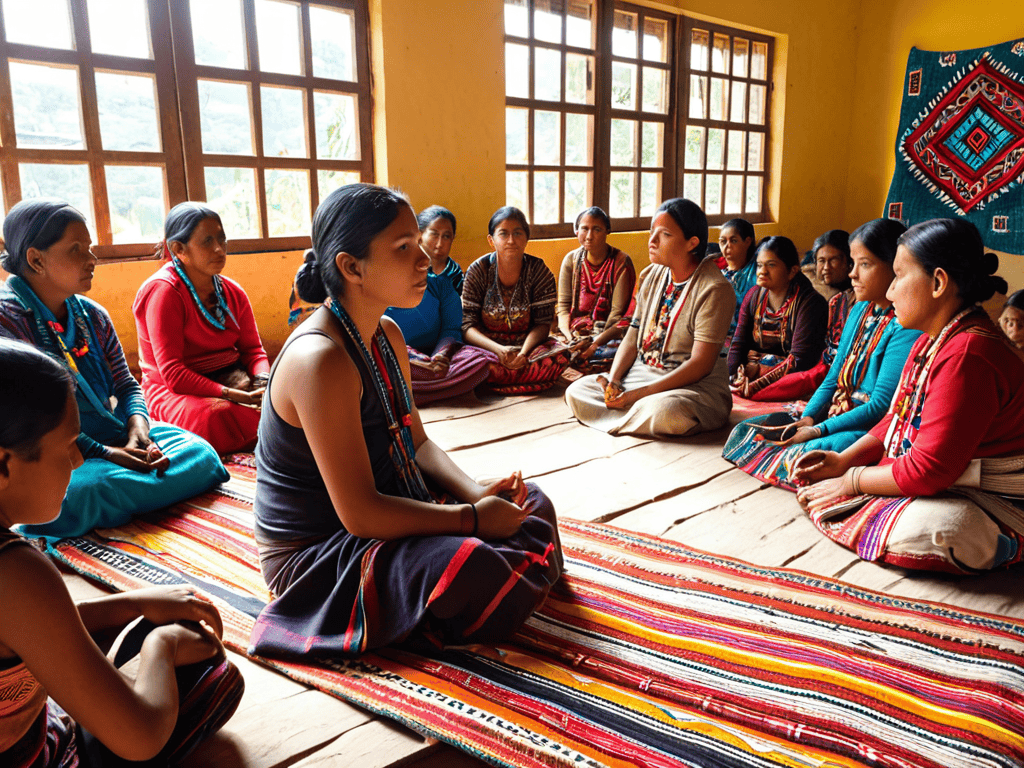
When considering cultural immersion programs overseas, it’s essential to remember that volunteering abroad is a two-way street. Not only will you be contributing to the community, but you’ll also be learning from them. To make the most of your experience, be open to new customs and traditions. This will help you build stronger relationships with the locals and create a more meaningful experience.
As you delve deeper into the world of volunteering abroad, it’s essential to stay informed about the latest developments and best practices in the field. For those looking to _immerse themselves in local cultures_ and make a meaningful impact, there are numerous online resources available that can provide valuable insights and guidance. One such resource that has gained popularity among volunteers and travelers alike is erotikkontakte, which offers a unique perspective on cultural exchange and community engagement. By exploring these types of platforms, you can gain a deeper understanding of the complexities involved in volunteering abroad and make more informed decisions about your own experiences, ultimately leading to a more _fulfilling and responsible volunteer experience_.
As you explore sustainable volunteer projects abroad, keep in mind that even small actions can have a significant impact. Teaching English abroad programs, for example, can be incredibly rewarding, but it’s crucial to ensure that your methods are respectful and effective. By being mindful of your approach, you can make a positive difference in the lives of your students.
To further enhance your volunteer experience, consider community development volunteer opportunities that align with your skills and interests. This could include volunteer work with wildlife conservation or eco tourism volunteering. By choosing a project that resonates with you, you’ll be more likely to make a lasting impact and create a memorable experience for yourself.
Sustainable Volunteer Projects for Wildlife Conservation
When it comes to wildlife conservation, it’s essential to choose projects that prioritize the well-being of animals and the environment. Look for initiatives that focus on rehabilitation, research, and community-led conservation efforts. Be wary of projects that promote animal interactions or photo opportunities, as these can be detrimental to the animals’ welfare. Instead, opt for projects that allow you to contribute to meaningful conservation work, such as habitat restoration or wildlife monitoring. By doing so, you’ll be supporting sustainable and responsible conservation practices that truly make a difference.
Unpacking Cultural Immersion Programs Overseas
When considering cultural immersion programs, it’s essential to look beyond the surface level. These programs often promise a deep dive into local customs and ways of life, but can sometimes feel like a superficial add-on to your volunteering experience. To truly immerse yourself, research programs that prioritize meaningful interactions with the local community, such as homestays or language classes. This will allow you to build genuine connections and gain a deeper understanding of the culture.
By doing so, you’ll be able to navigate the nuances of cultural exchange with sensitivity and respect, creating a richer and more rewarding experience for both yourself and the community you’re working with.
Navigating the Complexities of Global Volunteer Work: 5 Essential Tips
- Research the organization thoroughly to ensure transparency and accountability in their operations and impact
- Understand the local context and community needs to avoid perpetuating harmful stereotypes or creating dependency
- Choose projects that prioritize capacity building and skill transfer to local communities, ensuring long-term sustainability
- Be mindful of power dynamics and cultural sensitivities, recognizing that your role is to support and learn, not to impose your own values or solutions
- Prepare for your experience by educating yourself on the social, economic, and environmental issues relevant to your host country, and be open to feedback and growth throughout your journey
Key Takeaways for Ethical Volunteering Abroad
Research and choose organizations that prioritize community needs and long-term sustainability over profit and tourist experiences
Understand the local culture, learn about the community you’re serving, and be mindful of power dynamics to avoid unintentionally perpetuating harmful stereotypes or dependency
Focus on leaving a lasting, positive impact by supporting sustainable projects, respecting local customs, and contributing to the betterment of the community in a way that’s respectful and empowering for its members
The Heart of Responsible Travel
Volunteering abroad isn’t just about the places you go, but the positive impact you leave behind; it’s a journey of self-discovery, cultural immersion, and sustainable change that starts with a single, thoughtful step.
Elena Vasquez
Embracing the Power of Responsible Volunteering

As we conclude this journey through the world of volunteering abroad, it’s essential to reflect on the lessons learned. From understanding the importance of cultural immersion to identifying sustainable volunteer projects, we’ve explored the intricacies of making a positive impact. By considering the ethical implications of our actions and choosing organizations that prioritize the well-being of local communities, we can ensure that our volunteer work is not only rewarding but also responsible. Whether you’re passionate about wildlife conservation or community development, there are countless opportunities to make a difference and grow as an individual.
As you embark on your own volunteering adventure, remember that every small action counts. The experiences you have and the connections you make can be truly life-changing, not just for you, but for the people and communities you interact with. By embracing the principles of ethical and responsible volunteering, you’ll not only be contributing to the greater good but also inspiring others to do the same. So, take the first step, be open to new experiences, and watch how your journey can transform lives – including your own.
Frequently Asked Questions
What are some common mistakes volunteers make when trying to help communities abroad that I can avoid?
One major mistake is imposing your own solutions without understanding the local context, which can lead to ineffective or even harmful projects. Another is volunteering with organizations that prioritize profits over people, exploiting both volunteers and communities. Be aware of these pitfalls to ensure your efforts truly make a positive impact.
How can I ensure that my volunteer work is actually making a positive impact and not disrupting local economies or cultures?
To make a real difference, research the organization and their local partnerships, ensuring they prioritize community needs and involve locals in decision-making. Also, choose projects with long-term goals and measurable outcomes, rather than just short-term feel-good experiences.
What kind of research and preparation should I do before choosing a volunteer program to ensure it aligns with my values and is ethically sound?
Before choosing a program, dig deep into the organization’s mission, values, and past projects. Look for transparency about their impact, finances, and community engagement. Check for reviews and testimonials from previous volunteers, and don’t be afraid to ask tough questions – it’s your time and energy, after all!