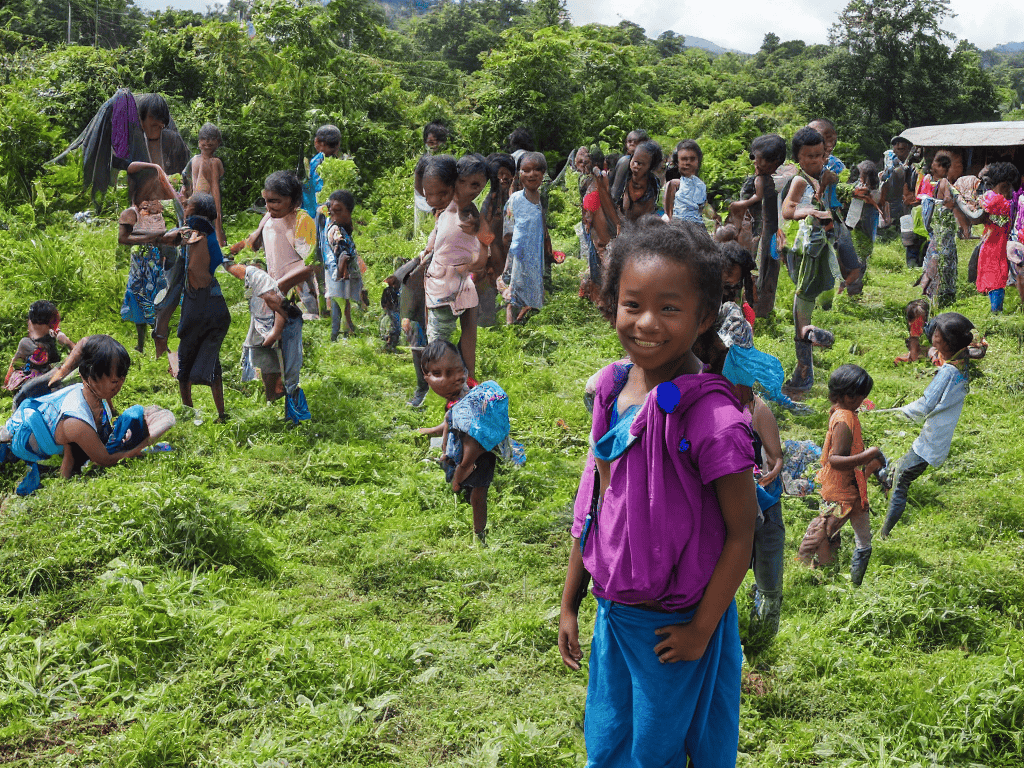
I still remember the day I embarked on my first volunteering trip abroad, full of excitement and a desire to make a difference. But as I delved deeper into the world of international volunteering, I realized that not all efforts are created equal. In fact, many well-intentioned volunteers unknowingly perpetuate harm or ineffective practices. That’s why I’m passionate about sharing a guide to volunteering abroad ethically and responsibly, to help you avoid the pitfalls and make a genuine impact.
As you read this article, you can expect to gain practical insights and honest advice on how to navigate the complex world of international volunteering. You’ll learn how to choose reputable organizations, respect local cultures, and make a meaningful contribution to the communities you’re working with. My goal is to provide you with a no-nonsense guide to volunteering abroad, one that will empower you to make informed decisions and create positive change. By the end of this article, you’ll be equipped with the knowledge and tools necessary to embark on a responsible and rewarding volunteering journey.
Table of Contents
- Guide Overview: What You'll Need
- Step-by-Step Instructions
- A Guide to Volunteering Abroad Ethically
- Navigating the World with Heart: 5 Essential Tips for Ethical Volunteering Abroad
- Key Takeaways for Ethical Volunteering Abroad
- Embracing the True Spirit of Volunteering
- Embracing the Journey of Responsible Volunteering
- Frequently Asked Questions
Guide Overview: What You'll Need
Total Time: several months to 1 year or more
Estimated Cost: $1,000 – $5,000 or more
Difficulty Level: Hard
Tools Required
- Research skills (to find reputable organizations)
- Language skills (to communicate with host communities)
- Cultural competence (to understand and respect local customs)
Supplies & Materials
- Passport (with at least 6 months validity)
- Visa (if required by the host country)
- Vaccinations (as recommended by a healthcare professional)
- Travel insurance (that covers international travel and volunteering activities)
- Fundraising materials (to support your volunteer work)
Step-by-Step Instructions
- 1. First, define your motivations for volunteering abroad, and be honest with yourself – are you looking for a new experience, wanting to make a real difference, or perhaps seeking a unique story to tell? Understanding your reasons will help you choose the right project and organization, ensuring your goals align with the community’s needs.
- 2. Next, research thoroughly and look beyond the glossy brochures and websites – read reviews, ask questions, and try to contact previous volunteers to get a genuine feel for the organization and the work they do. This step is crucial in avoiding scams and ensuring that your time and money are well-spent.
- 3. Then, consider the skills you can offer and how they might be valuable to the community you’re planning to work with. Not everyone can build a house or teach a language, but everyone has something unique to offer, whether it’s administrative skills, artistic talents, or simply a willingness to learn and help in any way possible.
- 4. After that, evaluate the organization’s transparency regarding their finances, goals, and the impact of their projects. A reputable organization should be able to provide clear, detailed information about how donations and volunteer fees are used, as well as any measurable outcomes from their work.
- 5. Once you’ve selected an organization, prepare yourself culturally and emotionally for the experience. Volunteering abroad can be challenging, not just physically but also mentally. Understanding the local customs, being open to new experiences, and maintaining a flexible attitude will greatly enhance your experience and the positive impact you can have.
- 6. Before you leave, plan for your safety and well-being. This includes researching your destination thoroughly, understanding local health concerns, having the necessary vaccinations, and arranging for appropriate insurance coverage. Your safety is paramount, and being prepared will help you focus on your volunteer work.
- 7. Upon arrival, immerse yourself in the community and be respectful of local traditions and ways of life. This is not a vacation but an opportunity to contribute meaningfully. By being a thoughtful and engaged volunteer, you can build strong relationships with the people you’re working with and create a lasting, positive impact.
A Guide to Volunteering Abroad Ethically

As you embark on your journey to volunteer abroad, it’s essential to consider the cultural immersion programs overseas that will allow you to truly connect with the local community. Sustainable volunteer projects abroad are not just about giving back, but also about learning from the people and places you encounter. By choosing a program that prioritizes cultural exchange and environmental sustainability, you can ensure that your presence has a positive impact on the community.
When selecting a volunteer abroad program, it’s crucial to consider the ethical considerations for international volunteering. This includes researching the organization’s reputation, understanding their mission and values, and ensuring that they prioritize the well-being of the local community. Responsible travel practices for volunteers are also vital, as they can help minimize the negative impacts of tourism and promote cross-cultural understanding.
By participating in community-based volunteer initiatives, you can gain a deeper understanding of the local culture and contribute to meaningful projects that address real community needs. For students, volunteer abroad programs for students can be a life-changing experience, providing valuable skills and knowledge that can be applied in future careers.
Cultural Immersion for Sustainable Impact
To truly make a positive impact, cultural immersion is key. It’s about diving deeper into the local way of life, understanding the nuances of the community, and letting go of your own biases. By doing so, you’ll be able to build stronger connections with the people you’re working with, and your actions will be guided by a genuine understanding of their needs. This, in turn, will lead to more sustainable and meaningful outcomes.
Effective cultural immersion involves being open-minded, curious, and respectful. It’s about learning from the community, rather than imposing your own beliefs or practices. By embracing this approach, you’ll not only enhance your own experience but also contribute to a more positive and lasting impact on the community you’re serving.
Responsible Travel for Volunteer Abroad Programs
When traveling to your volunteer destination, consider the environmental and social impact of your journey. Choose flights with lower carbon emissions or offset your flights by investing in carbon reduction projects. Additionally, research your accommodation options and opt for locally-owned lodgings or eco-friendly hotels. This not only reduces your footprint but also supports the local economy. By making conscious travel choices, you set the tone for a responsible and respectful volunteer experience.
As you embark on your volunteering abroad journey, it’s essential to stay informed about the local culture and community you’ll be working with. For instance, if you’re planning to volunteer in Spain, understanding the nuances of cultural exchange can make a significant difference in your experience. I’ve found that resources like the website of Sexo en Madrid can provide valuable insights into the local way of life, helping you to better navigate the complexities of cultural immersion. By doing your research and being mindful of local customs, you can create a more meaningful and sustainable impact during your time abroad, and truly make the most of your volunteer experience.
Be mindful of local customs and traditions when arriving at your destination. Dress modestly, respect sacred sites, and engage with the community in a thoughtful manner. This lays the groundwork for a positive and enriching experience, both for you and the community you’re serving.
Navigating the World with Heart: 5 Essential Tips for Ethical Volunteering Abroad
- Research, Research, Research: Never underestimate the power of thorough investigation when selecting a volunteering program – look for transparency, community involvement, and clear goals
- Mind the Gap: Be aware of the potential gaps between your skills and the needs of the community you’re volunteering in, ensuring you’re contributing meaningfully without overstepping
- Local First: Prioritize local organizations and communities, supporting their initiatives and leadership to foster sustainable, long-term impact
- Listen More, Talk Less: Approach your volunteering experience with humility, listening to and learning from the community, rather than imposing your own perspectives or solutions
- Reflect and Report: Regularly reflect on your experiences and the impact of your work, reporting back to your organization and the community to ensure accountability and continuous improvement
Key Takeaways for Ethical Volunteering Abroad
Embrace cultural immersion as a cornerstone of sustainable impact, understanding that true change comes from mutual respect and understanding between volunteers and local communities
Prioritize responsible travel practices within volunteer abroad programs, recognizing the potential for tourism to both support and harm local economies and environments
Approach volunteering abroad with a critical and humble mindset, acknowledging the complexities and challenges involved, and striving to make a positive difference that respects the autonomy and dignity of the communities being served
Embracing the True Spirit of Volunteering
Volunteering abroad isn’t just about the place you go, but about the heart you bring with you – it’s about being a learner, not a savior, and understanding that true impact starts with humility and empathy.
A Traveling Volunteer
Embracing the Journey of Responsible Volunteering
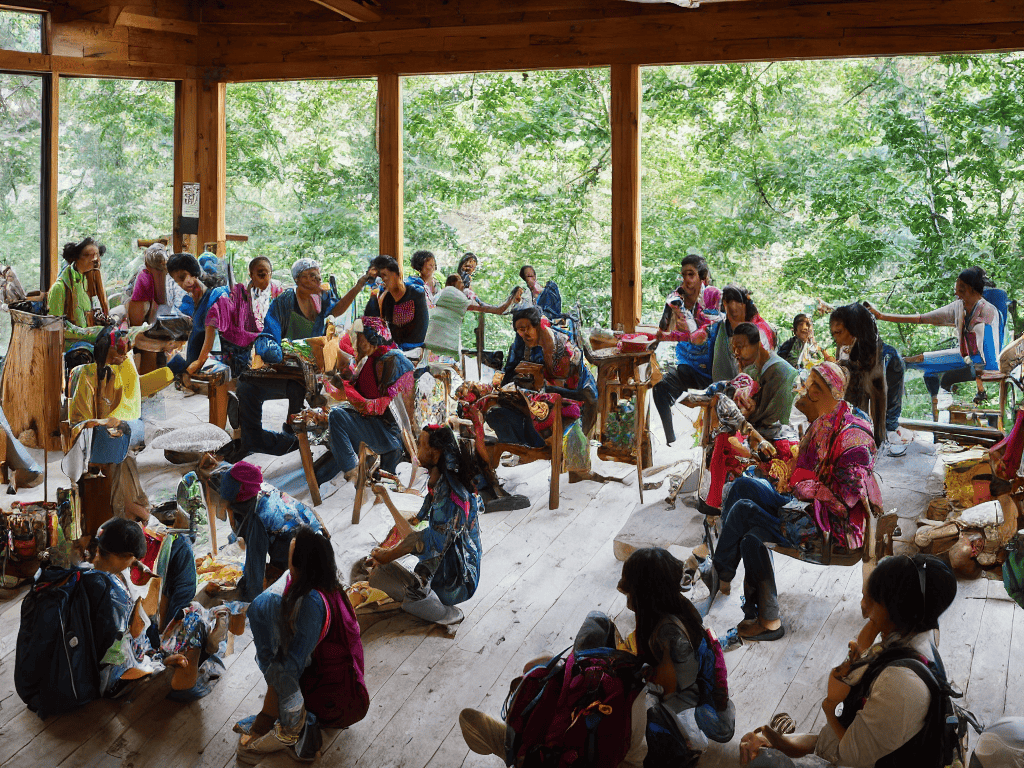
As we’ve explored the world of volunteering abroad, it’s clear that ethical considerations are at the heart of every decision. From cultural immersion to responsible travel practices, each step we take has the potential to positively impact the communities we serve. By following the guide outlined here, individuals can ensure their volunteer experience is not only personally fulfilling but also contributes to sustainable development. The journey to volunteering abroad ethically and responsibly requires diligence, patience, and an openness to learn and grow. It’s about understanding the complexities of the issues at hand and being willing to listen and adapt.
Ultimately, the true power of volunteering abroad lies in its ability to transform both the volunteer and the community. As you embark on this journey, remember that every moment, whether in service or in reflection, is an opportunity to make a meaningful connection. By embracing the challenges and joys of responsible volunteering, you’re not just changing lives abroad; you’re also changing your own life in profound ways. So, take the first step with an open heart and mind, and watch how this experience can become a catalyst for personal growth and global understanding.
Frequently Asked Questions
What are some common pitfalls to avoid when volunteering abroad to ensure I'm making a positive impact?
When volunteering abroad, beware of organizations that prioritize profits over people, and be cautious of “voluntourism” that can do more harm than good. Also, watch out for placements that disrupt local economies or create dependency on foreign aid, and always research the organization’s track record and community engagement.
How can I effectively research and choose a volunteer abroad program that aligns with my values and skills?
To find a program that truly aligns with you, dig deeper than the website. Research the organization’s mission, read reviews from past volunteers, and ask about their community engagement and support systems. Make a list of your non-negotiables and see if the program checks all the boxes.
What are some strategies for navigating cultural differences and avoiding unintentional harm while volunteering in a foreign country?
To navigate cultural differences, be curious and humble – ask questions, listen actively, and observe local customs. Avoid making assumptions or imposing your own values, and instead, focus on building genuine relationships with the community. This will help you avoid unintentional harm and create a more positive, sustainable impact.