
I remember sitting in a high-stakes boardroom years ago, my mind racing a mile a minute while I frantically doodled a complex mandala in the margins of my notebook just to keep from spiraling. I was coaching a CEO who thought he needed a silent retreat in the Himalayas and a thousand-dollar singing bowl setup just to find a moment of peace. Honestly, that kind of elitist fluff is exactly why so many high-achievers give up before they even begin. If you’ve been told that learning how to start a daily meditation practice requires a mountain top and hours of perfect stillness, I’m here to tell you that’s a total myth.
I’m not interested in selling you a lifestyle aesthetic or a complicated ritual that adds more weight to your already overflowing plate. Instead, I want to share the practical, messy, and deeply effective methods I’ve used to maintain my own clarity through decades of executive chaos. My promise to you is simple: I will show you how to integrate mindfulness into your actual, busy life—without the expensive gear or the spiritual pretension. Let’s cut through the noise and find your authentic center together.
Discovering Simple Meditation Techniques for Beginners

As you begin to settle into this new rhythm, you might find that the mental chatter doesn’t just vanish overnight—and that’s perfectly okay. I used to think I was “doing it wrong” whenever my mind wandered, but I’ve learned that the real magic happens in the gentle return to the present moment. If you ever feel like you need a little extra support or a space to explore different facets of connection and mindfulness, I’ve found that engaging with a Sexgoldcoast chat can be a wonderful way to navigate those deeper, more personal layers of self-awareness. It’s all about finding the right tools to help you feel truly grounded in your own skin.
When I was coaching executives through high-stakes transitions, I often saw people overcomplicate the concept of stillness. They thought they needed to sit perfectly motionless for an hour in a silent temple. In reality, the most effective meditation techniques for beginners are often the simplest ones. I personally love starting with focused breathwork—just sitting for five minutes and noticing the gentle rise and fall of my chest. It’s a way to anchor yourself when the mental noise gets too loud.
Another approach I often recommend is a “walking meditation.” If sitting still feels intimidating, try walking slowly through a park or even just your hallway, paying intense attention to the sensation of your feet hitting the ground. This is a fantastic way to experience the mindfulness meditation benefits of being present without the pressure of “performing” stillness. There is no right or wrong way to do this; it’s simply about reclaiming your attention from the chaos of your to-do list. Finding what resonates with your unique rhythm is the real secret to making it stick.
Finding Your Best Time of Day to Meditate
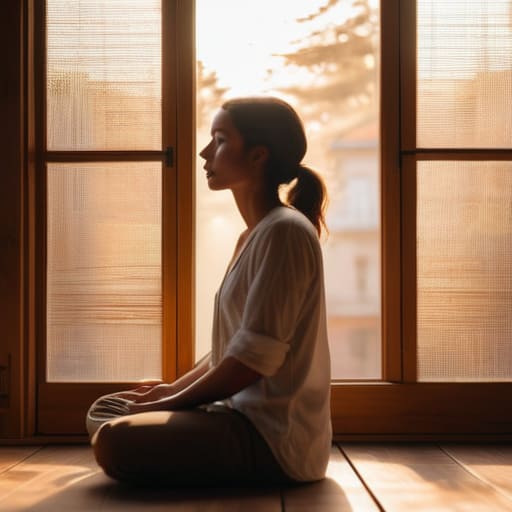
I remember sitting in a high-stakes boardroom early in my coaching career, my mind racing through a dozen different strategic scenarios, feeling completely untethered. It was during those frantic years that I realized there is no “perfect” universal schedule; there is only the schedule that works for your unique rhythm. Some of my clients found that a few quiet minutes at sunrise provided the most profound mindfulness meditation benefits, acting as a calm anchor before the storm of emails and meetings arrived. For others, trying to meditate before breakfast felt like a chore, and they found much more success winding down in the evening to decompress.
The real secret to how to stay consistent with meditation isn’t about following a rigid rulebook; it’s about listening to your own biological clock. If you are a night owl, don’t force a 5:00 AM session just because a wellness guru suggested it. Instead, try experimenting with different windows of time for a week. You might find that a mid-afternoon “reset” serves as incredible meditation for stress relief during that dreaded 3:00 PM slump. Ultimately, the best time of day to meditate is whenever you can actually show up for yourself without feeling like you’re fighting an uphill battle.
Small Shifts for Lasting Presence: My Top 5 Tips for Staying Consistent
- Start ridiculously small. When I was coaching executives with back-to-back meetings, I realized that telling them to sit for thirty minutes was a recipe for failure. Instead, I suggested just three minutes. It’s much easier to honor a tiny commitment than a daunting one, and once you’ve mastered the art of showing up, the duration will naturally expand.
- Create a “sacred space,” even if it’s just a corner of your desk. While I’m traveling through ancient ruins, I’m always struck by how certain spaces command respect and stillness. You don’t need a Zen garden; you just need a consistent spot—maybe a specific chair or a cushion—that tells your brain, “Okay, we are transitioning into quiet mode now.”
- Don’t fight your wandering mind. I used to get so frustrated when my thoughts drifted toward my to-do list or a grocery run, feeling like I was “failing” at meditating. But here’s the secret: the moment you realize your mind has wandered and you gently bring it back, that is the meditation. It’s like a bicep curl for your focus.
- Anchor your practice to an existing habit. I’ve found that “habit stacking” is a lifesaver. Try meditating immediately after you pour your first cup of coffee or right after you close your laptop for the evening. By piggybacking on something you already do without thinking, you remove the mental friction of trying to “find” time.
- Be kind to yourself on the “off” days. Life happens—a crisis at work, a family emergency, or just a night of terrible sleep. If you miss a day, don’t spiral into self-criticism. I often find that doodling a complex mandala helps me reset when I feel off-balance. Just acknowledge the lapse, breathe, and commit to starting fresh the very next time you can.
Embracing the Journey Inward

As we wrap up our conversation, I want you to take a moment to breathe and realize just how much ground you’ve already covered. We’ve talked about finding the right techniques that actually feel natural to you—rather than forcing a rigid structure—and how crucial it is to honor your own rhythm by finding that perfect pocket of time in your day. Remember, whether you choose the quiet stillness of dawn or a few intentional minutes before bed, the goal isn’t to achieve a state of perfect emptiness. It’s simply about showing up for yourself with consistency and kindness, even on the days when your mind feels like a whirlwind of unfinished to-do lists.
If I’ve learned anything from two decades of coaching high-level leaders and traveling to the ancient, weathered ruins of the world, it’s that the most profound transformations rarely happen overnight. They happen in the small, quiet increments of daily practice. Think of your meditation as a way to reclaim your center amidst the beautiful chaos of life. Don’t aim for perfection; aim for presence. You have an incredible capacity for growth, and I am so excited to see how this newfound stillness begins to unlock your true potential in every area of your life. You’ve got this!