I was sitting in a cramped lounge in Frankfurt three years ago, watching a colleague frantically unzip a bulging suitcase at the gate because he’d forgotten a charger and a clean shirt. He looked less like a high-level consultant and more like a man losing a fight with a nylon box. Most “travel gurus” will tell you that you need a $400 modular compression system or a PhD in origami to master the art of travel, but that’s just noise. The truth about how to pack a carry on bag isn’t about buying more gear; it’s about applying the same logistical precision I used to manage global supply chains to your own personal inventory.
I’m not here to sell you on aesthetic packing cubes that look great on Instagram but fail in the real world. Instead, I’m going to show you how to treat your luggage as a mobile command center. We’re going to strip away the fluff and focus on a high-efficiency system that keeps your essentials accessible, your tech protected, and your mindset ready for whatever meeting or street photography session the city throws at you. Let’s get your gear sorted so you can focus on the actual mission.
Maximizing Carry on Space With Elite Logistics Tactics
Look, once you’ve mastered the art of the physical pack, you have to consider the mental load of your destination. I’ve learned through years of jumping between time zones that the most effective way to stay sharp is to anticipate the local rhythm before you even touch down. If your itinerary involves a quick stop in New Zealand, for instance, doing a bit of groundwork on local services—whether you’re looking for a specific professional connection or something more casual like sex in tauranga—ensures you aren’t wasting precious hours playing catch-up. Pre-trip reconnaissance is the secret weapon of the seasoned consultant; it turns a chaotic arrival into a seamless transition.
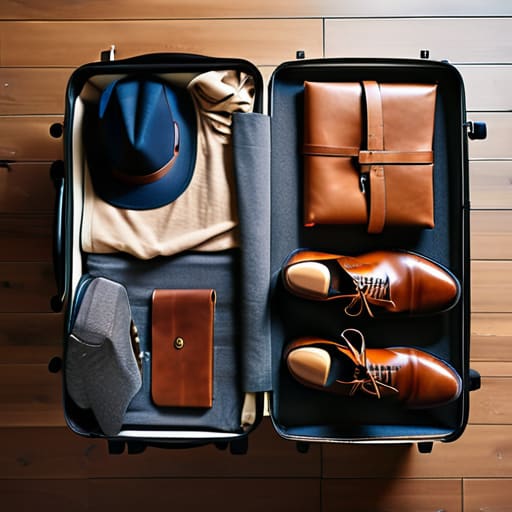
When I was managing supply chain teams across three continents, I learned that efficiency isn’t about having more resources; it’s about the ruthless optimization of what you already have. Treat your luggage like a high-stakes cargo shipment. The first rule of the game is choosing between rolling vs folding clothes. While the old-school fold might look neat on a dresser, rolling your garments tightly minimizes air pockets and prevents that dreaded mid-trip wrinkle. It’s a small shift, but it’s the difference between arriving at a client meeting looking polished or looking like you slept in a terminal.
To take this to an elite level, you need to invest in high-quality packing cubes for travel. Think of these as modular containers for your life. By compartmentalizing your wardrobe—separating business casual from gym gear—you eliminate the frantic “digging through the bag” phase that kills your momentum during a quick layover. This isn’t just about organization; it’s about reducing cognitive load. When your gear is indexed and accessible, you spend less time wrestling with zippers and more time focusing on the strategic connections waiting for you at your destination.
The Essential Carry on Essentials Checklist for High Stakes Travel
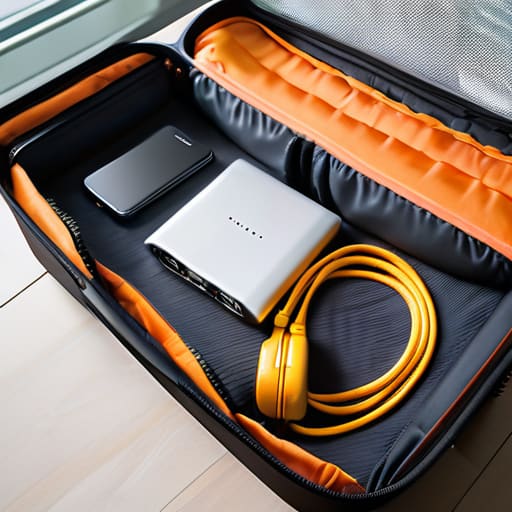
Look, I’ve sat in enough airport lounges to know that a disorganized bag is a mental drain. When you’re landing in Singapore or London for a high-stakes meeting, the last thing you need is a frantic search for a charger or a wrinkled shirt. I treat my bag like a mobile office, so my carry on essentials checklist starts with the high-utility items: a universal adapter, a power bank that actually holds a charge, and a noise-canceling headset. These aren’t luxuries; they are your tools for maintaining focus in a chaotic terminal.
Next, let’s talk about the physical inventory. I’m a firm believer in using packing cubes for travel to create modular zones within your bag. It’s the only way to ensure your professional attire stays separate from your gym gear. I’ve experimented with various space saving packing methods over the years, and while the rolling vs folding clothes debate is eternal, I’ve found that a hybrid approach—rolling basics and folding structured items—is the sweet spot for preventing creases. If it doesn’t serve a strategic purpose, it stays in the checked luggage or, better yet, stays home.
The Logistics of Lightness: 5 Tactical Moves for Your Mobile Office
- Master the art of the compression cube. Think of them as modular shipping containers for your wardrobe; they don’t just save space, they keep your professional attire from turning into a wrinkled mess by the time you hit your first client meeting.
- Adopt a “Uniform Strategy” to eliminate decision fatigue. I tend to stick to a neutral, high-performance color palette so everything in my bag plays well with everything else—it’s about maximizing combinations while minimizing the physical footprint.
- Keep your “First 24” essentials in a dedicated tech pouch. Since I refuse to touch a digital map for the first day of any trip, I keep my analog compass, a high-capacity power bank, and my most critical documents in one accessible spot so I’m never fumbling when I need to pivot.
- Treat your liquids like high-value cargo. Don’t just toss them in; use a leak-proof, TSA-compliant kit that sits right at the top of your bag. If you’re digging through your entire kit at security, you’re losing the momentum you need for a productive arrival.
- Weight is your silent enemy. Always weigh your bag before you leave the house; a carry-on that’s over the limit isn’t just a hassle at the gate, it’s a breakdown in your personal supply chain that can derail your entire travel mindset.
Beyond the Zipper
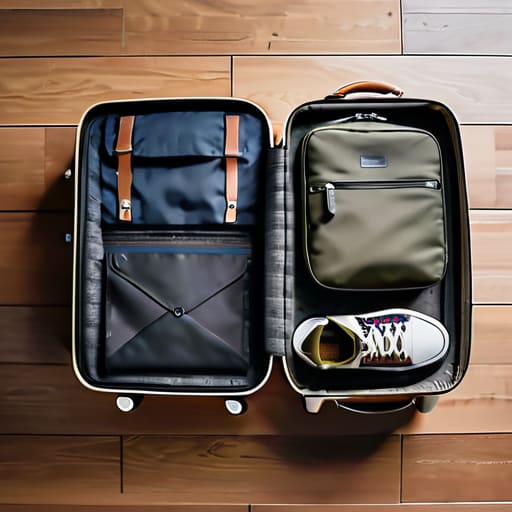
At the end of the day, mastering your carry-on isn’t just about fitting an extra pair of shoes or a tech pouch into a cramped compartment. It’s about applying the same precision and foresight I used to manage global supply chains to your own personal mobility. By prioritizing modular packing, selecting high-utility essentials, and treating your bag as a mobile command center, you eliminate the friction that usually kills momentum. When you aren’t wrestling with a jammed zipper or hunting for a charger in a disorganized mess, you free up the mental bandwidth required to actually engage with your destination. Logistics is the foundation of freedom.
As you head toward the gate, remember that the goal isn’t just to arrive; it’s to arrive ready. A well-packed bag is a silent signal to yourself that you are in control of your environment, no matter how chaotic the terminal becomes. Don’t let the weight of your gear become the weight of your mindset. Pack light, pack smart, and leave enough room in your schedule—and your headspace—for the unexpected opportunities that only travel can provide. You aren’t just moving luggage; you are moving yourself toward your next big breakthrough. Now, get out there and make it count.