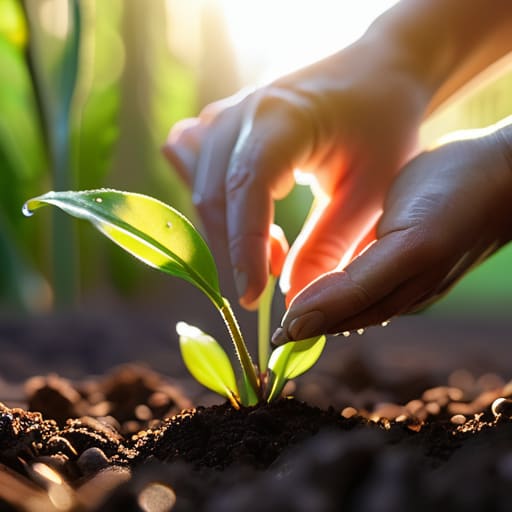
I was sitting in a high-stakes leadership seminar last month, mindlessly doodling a complex mandala in the margin of my notebook, when I realized my thoughts had drifted far away from quarterly projections and straight into my backyard. I kept thinking about that overwhelming feeling of staring at a patch of dirt and wondering, “Where on earth do I even begin?” Most people make the process of learning how to start a vegetable garden feel like a massive, expensive corporate restructuring project—complete with high-tech irrigation systems and specialized soil kits that cost more than a weekend trip to Rome. But honestly? That’s just noise.
I’m not here to sell you on a lifestyle you can’t afford or a hobby that requires a PhD in botany. Instead, I want to share the practical, grounded approach I’ve used to find peace in the dirt, treating my garden much like I treated my executive clients: by focusing on intentional, manageable growth. I’m going to walk you through the actual, unvarnished steps of getting your hands dirty, stripping away the fluff so you can focus on what truly matters—planting something that actually grows.
Selecting Your Foundation Raised Bed vs in Ground Gardening
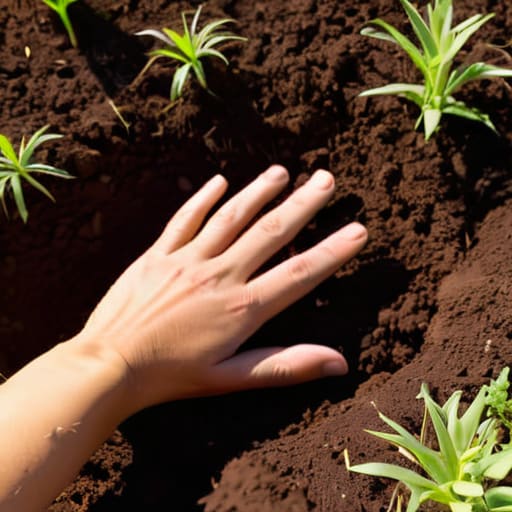
When I was first thinking about setting up my own little patch of green, I found myself staring at my backyard, feeling that same familiar hesitation I used to see in executives facing a massive organizational shift: where do I even begin? Deciding between raised bed vs in-ground gardening is really your first big strategic decision. If you choose in-ground, you’re working with the land you have, which can be much more cost-effective, but it requires a lot more heavy lifting when it comes to vegetable garden soil preparation. You have to ensure your native dirt is actually capable of sustaining life before you even think about seeds.
On the other hand, raised beds are a bit like hiring a consultant to streamline a messy process; they offer a controlled, highly organized environment right from the jump. They provide excellent drainage and keep the weeds at bay, which is a lifesaver if you’re short on time. While they do require a higher upfront investment, they make it much easier to manage your nutrients and soil quality. Ultimately, it’s about choosing the foundation that best supports your personal rhythm and long-term goals.
Nurturing Growth With Proper Vegetable Garden Soil Preparation
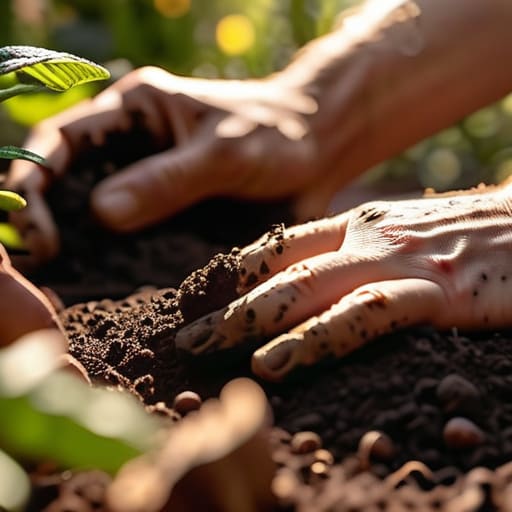
Once you’ve decided on your layout, it’s time to focus on the real magic: the dirt beneath your fingernails. I often tell my coaching clients that you can’t expect high performance from a team if the organizational culture is depleted; the same applies to your garden. Proper vegetable garden soil preparation is essentially building that healthy culture. You aren’t just moving dirt around; you are creating a nutrient-rich ecosystem. I love to spend a quiet morning mixing in plenty of organic compost, which acts like a steady supply of professional development for your plants, giving them the strength to weather any storm.
As you work the earth, keep in mind that different plants have different appetites. If you are looking for the best vegetables for beginners, like cherry tomatoes or leafy greens, they will thrive if you focus on loosening the soil and ensuring it drains well. Think of it as setting clear expectations from day one. If the soil is too compacted, your plants will struggle to “breathe,” much like a leader who is too bogged down in micromanagement to see the big picture. Get that foundation right, and the rest of the season becomes a joy.
Planting with Purpose: Five Lessons for a Flourishing Garden
- Start small to avoid burnout. Just like I used to tell my executive clients when they were trying to overhaul an entire corporate culture overnight, you can’t change everything at once. Pick two or three vegetables you actually love to eat and master them first. It’s much better to have a tiny, thriving patch of tomatoes than a massive, weed-choked field that leaves you feeling defeated.
- Chase the sunlight. I remember wandering through the ruins of ancient temples in Greece, noticing how the architecture was designed to capture every drop of golden light. Your garden needs that same intentionality. Before you dig, spend a day watching how the sun moves across your yard. Most veggies are sun-worshippers, and if they don’t get their six to eight hours, they’ll struggle to find their footing.
- Create a consistent watering rhythm. In organizational development, we talk a lot about “cadence”—the predictable heartbeat of a healthy system. Gardening is no different. Instead of waiting for the plants to wilt and then drowning them in a frantic watering session, try to establish a steady routine. Consistency builds resilience, both in a growing seedling and in a growing leader.
- Embrace the “weeds” as part of the process. When I’m sitting in a long board meeting, I often find myself doodling intricate mandalas to stay centered; it helps me find order in the chaos. In your garden, weeds will inevitably show up. Don’t let them discourage you. View them as a natural part of the ecosystem that just requires a little bit of mindful attention to keep your main crops on track.
- Keep a garden journal to track your evolution. One of the greatest joys of traveling to historic sites is seeing the layers of history left behind. Your garden has a history, too! Jot down what thrived, what struggled, and when the first frost hit. Looking back at your notes next year will be like reading your own personal growth manual, helping you make even more intentional choices for the next season.
Planting the Seeds of Your Success
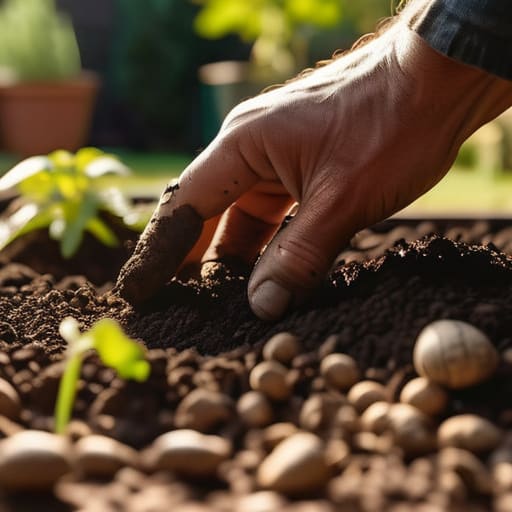
As we wrap up our little deep dive into the garden, I want you to take a moment to look back at how much ground we’ve actually covered. We’ve moved from the big-picture decisions of choosing between raised beds or in-ground plots to the much more granular, essential work of prepping your soil for success. Just like when I used to coach executives on building a new organizational structure, you can’t expect a high-performing result if the foundation isn’t solid. Whether you’ve decided on a structured raised bed for easy access or you’re working directly with the earth, remember that your preparation is what dictates your future harvest. It’s all about laying the groundwork so that when the season truly arrives, your plants have everything they need to thrive.
I’ll leave you with this thought as I pick up my pen to doodle a new mandala: gardening, much like life and leadership, is rarely a straight line. There will be unexpected pests, sudden storms, and perhaps a few withered leaves along the way, but that is where the real magic happens. Every mistake is just another lesson in resilience and adaptation. Don’t let the fear of a small failure stop you from getting your hands dirty. Trust the process, embrace the patience it requires, and most importantly, celebrate every tiny sprout that breaks through the surface. You aren’t just growing vegetables; you are cultivating a more intentional, grounded version of yourself. Happy planting!
Once you’ve got your soil dialed in, the next step is deciding exactly what you want to bring to life in your new space. It can feel a bit daunting to choose from the endless varieties of seeds out there, but I’ve found that staying organized is the secret to not feeling overwhelmed. I actually keep a little notebook where I jot down everything from my planting dates to local resources I find helpful while exploring different communities, much like how I might look for a bit of local connection or even toronto sex chat when I’m traveling to a new city and looking to feel more grounded in the local culture. Having that sense of connection to your environment, whether it’s through your garden or your travels, really helps you feel more at home in the process.